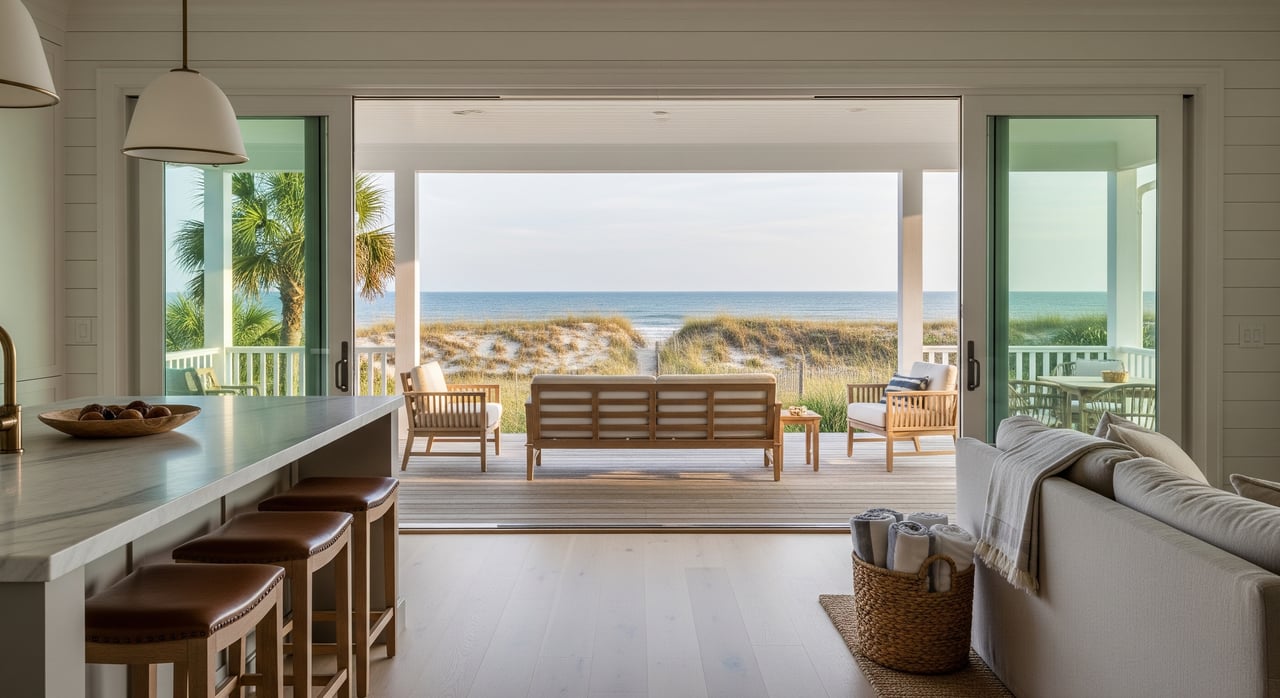
Considering making the beach your everyday backyard? If you are weighing a full-time move to Isle of Palms, you are likely balancing the pull of ocean air with the realities of daily life on a barrier island. You want clarity on lifestyle fit, costs, commuting, schools, and what changes once summer visitors arrive. This guide gives you a clear picture of day-to-day living on Isle of Palms, plus practical steps to plan your move with confidence. Let’s dive in.
What full-time life feels like on IOP
Community rhythm and seasons
Isle of Palms is a small, primarily residential beach community with a year-round population of a few thousand. Daily life is quiet and neighborly for most of the year. Spring and summer bring a clear uptick in activity as visitors arrive for the beach. You will notice more traffic, fuller restaurants, and heavier use of public beach access during peak season.
Daily routines and recreation
Outdoor life sets the pace. You can surf at sunrise, walk or jog the beach, paddleboard the creeks, or take your bike for errands. Fishing and boating are part of many residents’ weekly routine. If you like simple, open-air days that revolve around water and fresh air, the island’s rhythm fits well.
Dining and social life
The dining scene is relaxed and coastal, with seasonal energy in warmer months. You will find casual restaurants and bars, plus gatherings around community events and holiday parades. For specialty dining and evening cultural programming, you will drive to Mount Pleasant or downtown Charleston. Many residents enjoy the quiet at home and plan nights out off-island when they want more options.
Family life and schools
Isle of Palms is within the Charleston County School District. There is an on-island elementary option, while middle and high school assignments are typically on the mainland. Always confirm current zoning and bus routes with the district, and plan for commute time to extracurriculars. Private and parochial options are located in Mount Pleasant and Charleston.
Essential services and access
Groceries, retail, and errands
You will have basic municipal services on the island along with parks and beach access points. For big-box retail, larger grocery chains, specialty shops, and most professional services, expect to drive to Mount Pleasant. Many full-time residents do bulk shopping once or twice a week on the mainland. Delivery options help, but selection on-island is intentionally limited.
Healthcare and emergency response
Emergency services respond to the island, but major medical care is on the mainland. Primary and urgent care, specialty clinics, and hospitals are located in Mount Pleasant and downtown Charleston. If proximity to a preferred physician or hospital network is important, verify locations and drive times that match your schedule.
Getting around and commuting
Island connector and traffic patterns
Isle of Palms connects to the mainland through a single main road to Mount Pleasant. Public transit is limited, so most residents rely on personal vehicles. Drive times vary by time of day and season, and they stretch during summer and on event weekends. If you commute regularly, plan around peak hours or explore remote work flexibility when possible.
Parking and beach access
Beach parking can be tight near access points in peak months. As a resident, you will learn time windows and streets that stay calmer. When you host guests in summer, remind them to arrive early and to follow local parking rules.
Cost of coastal ownership
Insurance and flood zones
IOP is a low-lying barrier island, so many homes sit in FEMA flood zones. Flood insurance is common and can be required by lenders, and you will also evaluate homeowners and wind coverage. Insurance market conditions change, and premiums vary by property specifics. Before you make an offer, request elevation certificates and obtain multiple quotes for flood and wind policies.
Taxes and HOA or condo fees
Property taxes depend on assessed value and local millage. Taxes on Isle of Palms are comparable to other high-value coastal neighborhoods, but the exact number comes down to the property. If you are buying within an HOA or a condo community, add monthly dues and potential reserve assessments. These often cover exterior maintenance, dune management, or shared amenities.
Maintenance realities
Salt air and sun accelerate wear. Plan for more frequent exterior painting, deck and railing care, roof and window maintenance, and routine HVAC service. Specialty trades and contractors are available, though they can be busier and more expensive around storm season. If you plan to be away at times, consider a local property manager to coordinate preventative care and vendor access.
Weather, risk, and preparation
Hurricanes, surge, and erosion
No barrier island is immune from coastal hazards. During hurricane season you should plan for wind and surge risk, along with the potential for beach erosion in some areas. The city participates in dune management and periodic beach renourishment, and local ordinances guide how beachfront properties are managed. Your long-term plan should include evacuation readiness and clear steps for securing your home.
Building codes and retrofits
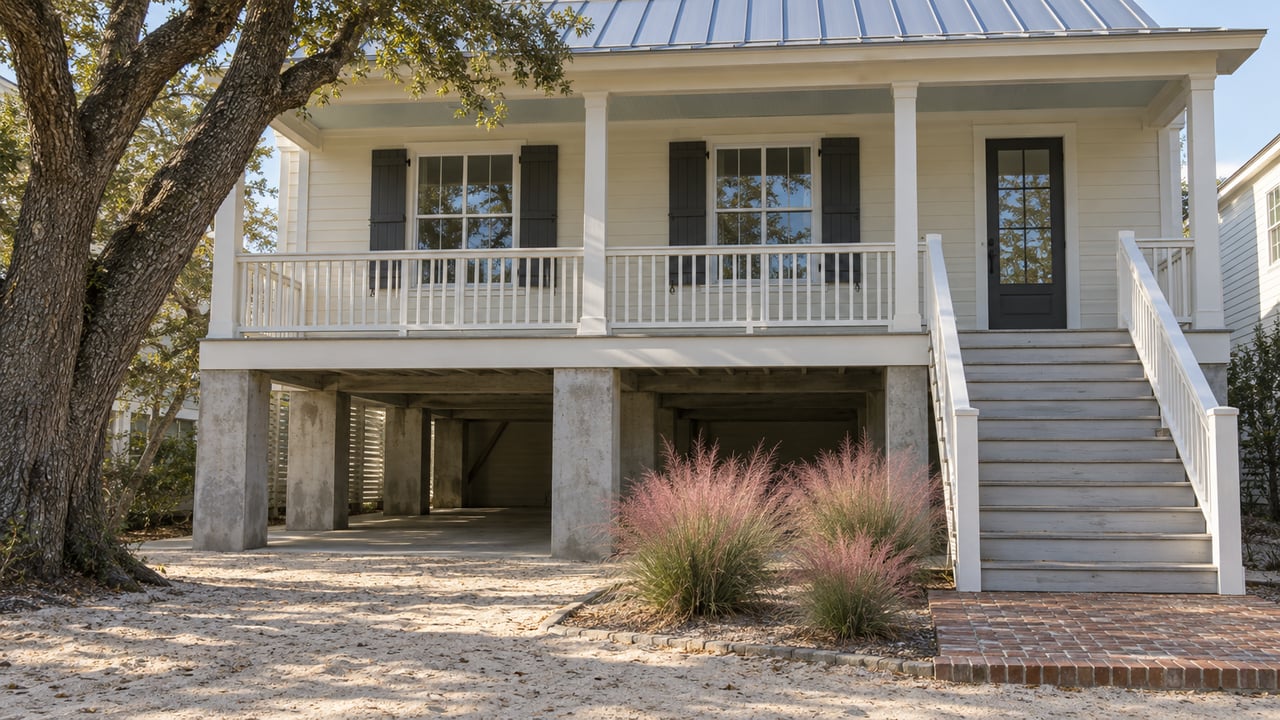
Newer and renovated homes often follow elevated construction and hurricane-resistant standards. Many properties include features like impact-rated openings, elevated living areas, and flood vents. If you are evaluating an older home, ask about elevation, prior flood history, and what upgrades have been completed. Factor in retrofit costs to bring the property to your comfort level.
Personal preparedness checklist
- Keep an annual hurricane plan with evacuation routes and contacts.
- Service shutters, generators, and sump or dewatering systems before storm season.
- Store important documents digitally and off-site.
- Build vendor relationships early for roofing, windows, and general repairs.
Renting your home part-time
Local STR regulations
Short-term rentals are common on Isle of Palms and are a significant part of the housing mix. The city requires licensing and sets rules for occupancy, parking, and noise. Regulations can change, and HOA bylaws may add extra limits. If you plan to rent, verify current ordinances, license requirements, and any applicable taxes before you buy.
Income potential and tradeoffs
Rental demand is strongest in peak months, which can create attractive high-season income. Revenue is seasonal, and you will account for management fees, cleaning, repairs, and insurance. Full-time residents should also consider neighbor activity around turnover days. If your goal is both lifestyle and revenue, set realistic projections and decide how you will balance personal use with guest weeks.
IOP vs Mount Pleasant vs downtown Charleston
Lifestyle and pace
- Isle of Palms: Beach-centered daily life with a quiet neighborhood feel most of the year and a clear seasonal tourism spike.
- Mount Pleasant: Suburban convenience with extensive parks, shopping, and family services, and quick mainland access.
- Downtown Charleston: Urban energy with top cultural institutions, restaurants, and nightlife in a dense, walkable setting.
Amenities and convenience
- Isle of Palms: Essential services on-island, but most grocery, medical, and specialty errands take you to Mount Pleasant.
- Mount Pleasant: Broad retail and grocery selection, schools and recreation close by, and straightforward routes across the metro.
- Downtown Charleston: Best for dining, culture, and professional services, with less convenient beach access unless you drive.
Real estate considerations
- Isle of Palms: Premium pricing per square foot due to proximity to sand and views, with a mix of single-family homes, cottages, and condos and strong seasonal demand.
- Mount Pleasant: Wider range of price points and housing types, plus easy access to schools and shopping.
- Downtown Charleston: Historic homes and condos in an urban fabric, trading beach proximity for culture and walkability.
Buyer checklist before you move
Use this list to pressure-test your decision and surface any hidden costs.
- Visit in two seasons: Spend time in summer and in the off-season to compare traffic, noise, and pace.
- Commute test: Drive your typical route at rush hour and on a summer weekend.
- School verification: Confirm current zoning with the district and tour any schools on your shortlist.
- Flood and elevation: Get FEMA flood zone info, elevation certificates, and any available flood or insurance claims history.
- Insurance quotes: Obtain quotes for homeowner, wind, and flood coverage before you write an offer.
- Utilities and internet: Confirm electric, water, sewer, and high-speed internet options for the exact address.
- HOA and rental rules: Review HOA documents, reserve studies, and short-term rental requirements if applicable.
- Maintenance budgeting: Set aside funds for exterior, roof, deck, window, and HVAC care tied to salt exposure.
- Emergency plan: Learn evacuation routes and the city’s emergency guidance.
- Local services map: Identify your nearest hospital, urgent care, grocery, veterinarian, and auto service.
Is full-time IOP right for you?
If daily access to the ocean and a relaxed neighborhood feel matter most, Isle of Palms delivers a rare lifestyle. You trade some convenience for privacy, nature, and a simpler routine. With the right insurance plan, maintenance schedule, and commute strategy, full-time island living can be both practical and deeply rewarding. Your next step is to pair the romance of beach life with clear due diligence on the property that fits your goals.
Ready to tour the island, compare locations, and pressure-test a few addresses? Connect with Oliver’s owner-led team for a private, design-forward search, discreet off-market access, and guidance on coastal construction and staging. Start a conversation with Oliver Caminos to plan your move with confidence.
FAQs
Is a car essential for full-time living on Isle of Palms?
- Yes. Public transit is limited, the island relies on one main connector to Mount Pleasant, and most residents use personal vehicles for daily errands and commuting.
What are typical commute times from Isle of Palms to downtown Charleston?
- Drive times vary with time of day and season, and they increase during summer and event weekends, so test your route during peak hours to set realistic expectations.
How do schools work for families who live on Isle of Palms?
- The island is in Charleston County School District, with an elementary option on-island; middle and high school assignments are generally on the mainland, so confirm current zoning and transportation.
How expensive is coastal insurance on Isle of Palms for homeowners?
- Coastal properties often require homeowner, wind, and flood coverage, and premiums vary widely by elevation, construction, and location, so obtain multiple current quotes before you make an offer.
Are hurricanes a real risk for Isle of Palms residents?
- Yes. As a barrier island, IOP faces wind and surge risk during storms, so plan for evacuation, secure insurance, and consider elevated construction and hurricane-resistant features.
Can I operate a short-term rental if I live on Isle of Palms full-time?
- Many owners do, but you must follow city licensing, occupancy, parking, and noise rules, and your HOA may have additional limits, so verify all requirements before purchasing or renting.