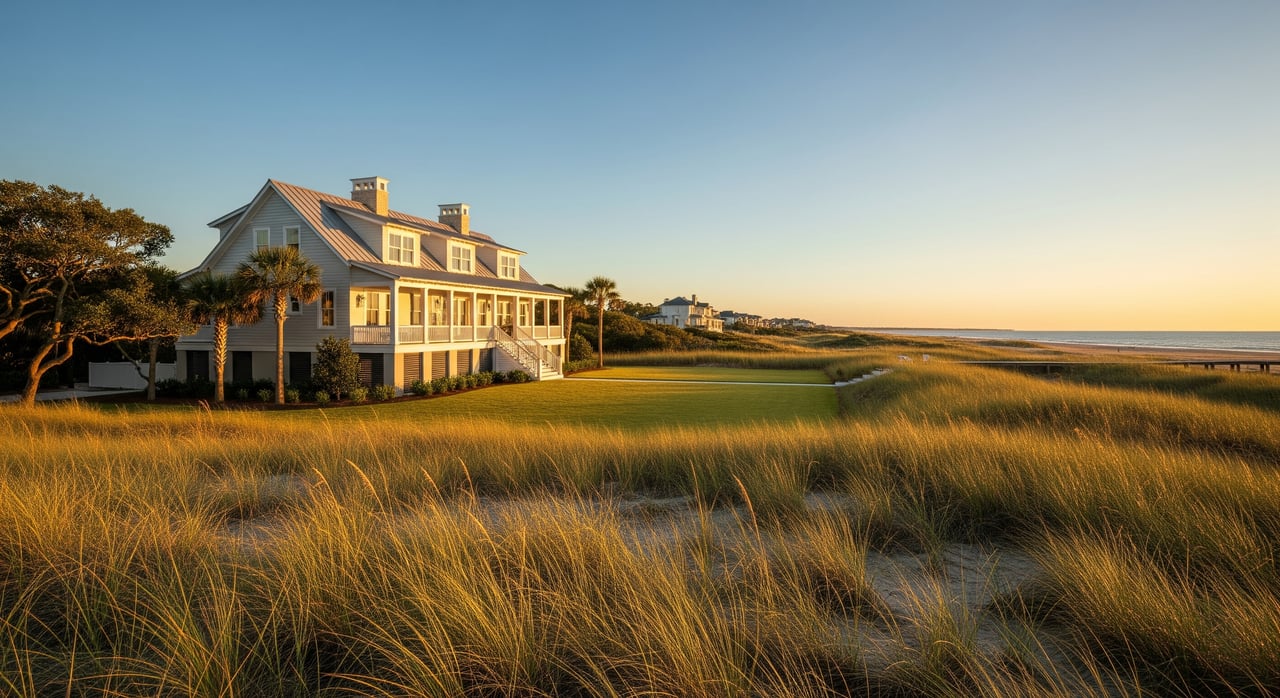
Thinking about adding a pool, enclosing a porch, or expanding a cottage on Sullivan’s Island? The opportunities are exciting, but the rules are layered and specific. Between setbacks, lot coverage, flood elevations, and coastal protections, what looks simple on paper can shift once a survey hits the site plan. In this guide, you’ll learn how setbacks and lot coverage actually work on the island, how they affect additions and pools, and the steps to take before you make an offer or break ground. Let’s dive in.
Setbacks and lot coverage, explained
Setbacks are the minimum distances between your structures and property lines, streets, dunes or beach areas, and other protected features. A single property can have several setbacks at once, including front, side, rear, and waterfront setbacks. These limits shape the “buildable envelope” where you can place structures.
Lot coverage is the portion of a lot covered by structures, and in some towns, also by impervious surfaces. How Sullivan’s Island defines coverage is what matters. Roofed areas, accessory buildings, decks, driveways, and pools may or may not count, depending on the ordinance definitions and whether space is enclosed or open.
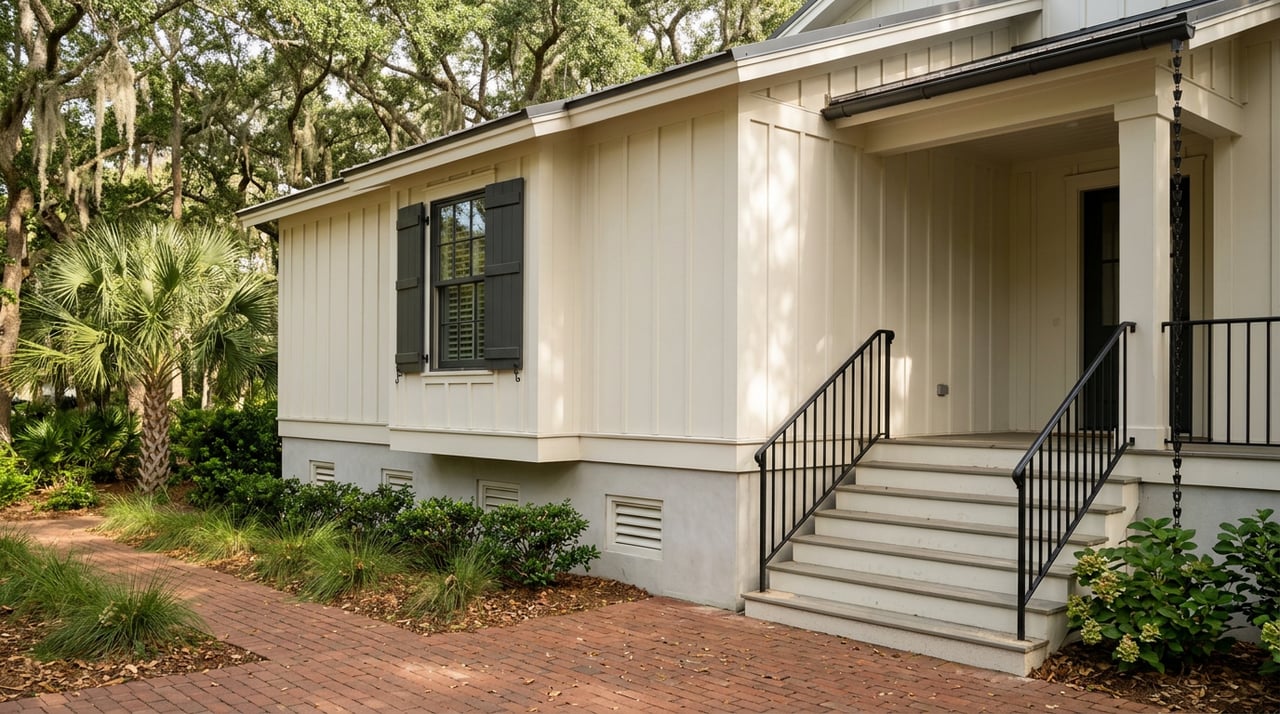
On Sullivan’s Island, small historic lots and narrow streets make these rules especially important. The coastal setting adds dune and floodplain restrictions, and many homes are elevated. Elevation changes your design options, but it does not remove setback or coverage limits.
Why these rules matter on Sullivan’s Island
- Historic cottages and compact lots create tight buildable envelopes. An addition or pool can quickly bump into setbacks.
- Coastal and dune protections can restrict placement and construction methods near the beach or vegetation.
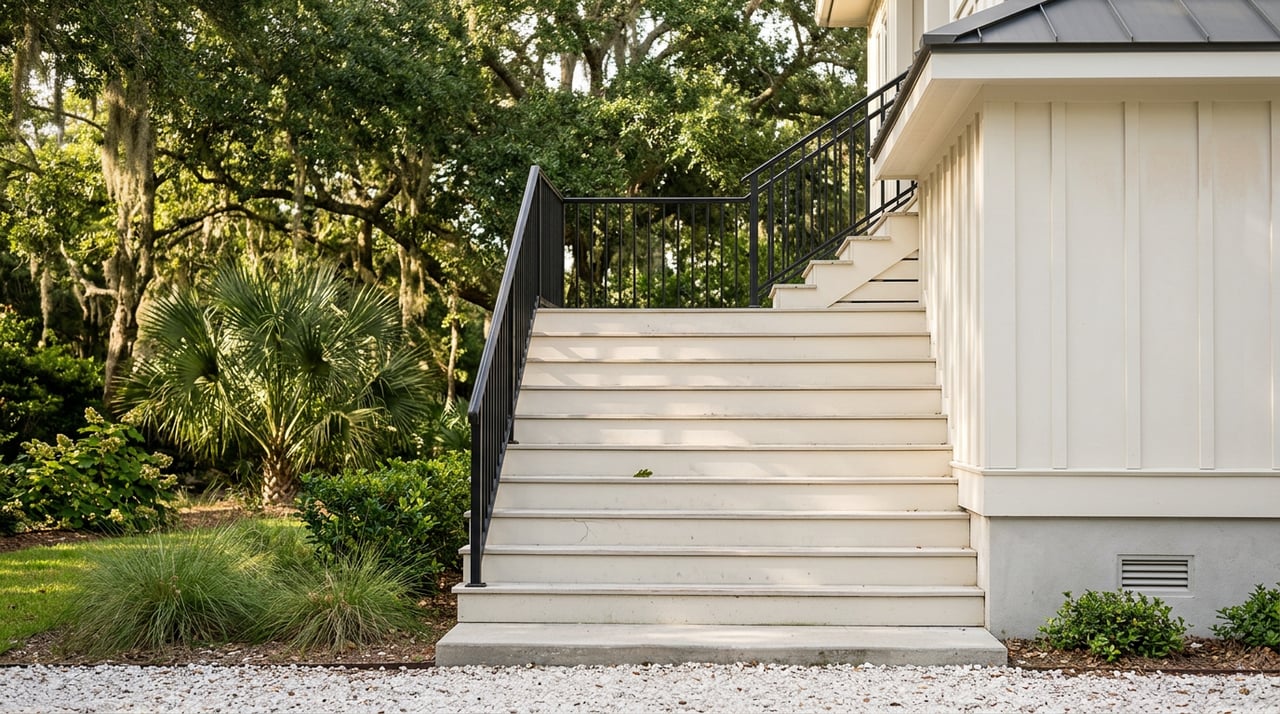
- Floodplain requirements influence first-floor elevations, stairs, and porches. This can affect how much usable space you can create at grade.
- Design review and historic considerations may guide porch styles, rooflines, and enclosure decisions, beyond the basic numbers.
How rules shape common projects
Additions and footprint changes
Start by checking whether the proposed addition fits within setbacks and whether it would push lot coverage over the maximum allowed in your zoning district. Side and rear setbacks often limit how wide or deep you can go, and corner lots can have two front setbacks.
If the footprint is tight, a vertical expansion can be more feasible than a lateral one. You still have to meet height limits, flood-elevation rules, and any historic or design guidance. Enclosed space usually counts differently than open, unenclosed space, so confirm whether a covered but open porch is treated the same as conditioned interior space.
Porches and decks
Porches are central to the island’s architectural character. Whether a porch or deck counts toward lot coverage depends on how the ordinance defines “porch,” “deck,” and “impervious surface.” A roofed or enclosed porch often counts differently than an open deck.
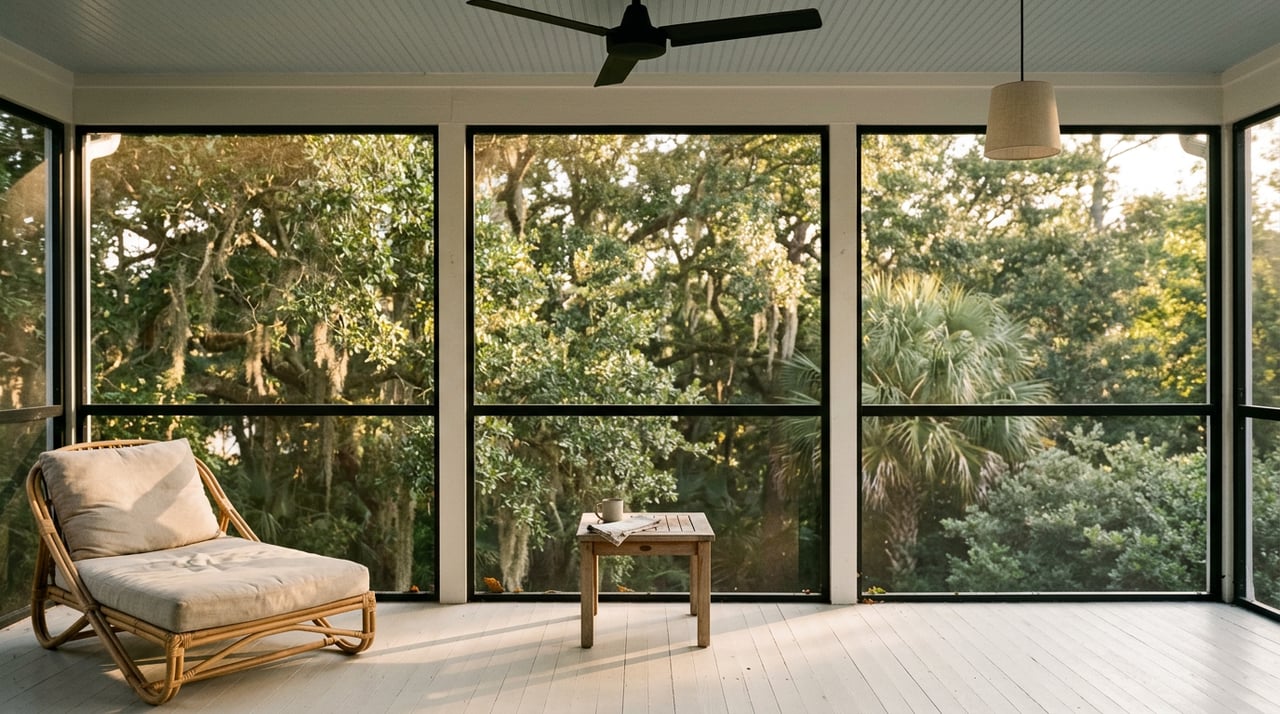
Enclosing an open porch can change how it is counted. That move can tip a property over a coverage cap or trigger additional review. If you are eyeing a porch enclosure, expect a detailed conversation with planning staff and design reviewers.
Pools and outdoor living
Pools can be counted as structures or impervious surfaces, or they may be excluded, depending on local definitions. Even if a pool is not counted, the surrounding patios, decking, and equipment pads often are. Setbacks can also apply to pool edges, equipment, and any pool houses.
Near the beach or dunes, coastal permits may come into play. Projects close to mean high water or within protected areas can face extra approvals, timing constraints, and construction limits. Engage coastal experts early if your backyard looks dune-adjacent on a survey.
Accessory structures and parking
Garages, sheds, and guest cottages typically face their own size limits, setbacks, and coverage rules. Under elevated homes, enclosed space at grade is often restricted by floodplain requirements. Plan any enclosure carefully to avoid conflicts at both the zoning and building-code level.
Coastal, flood, and design layers you must consider
Coastal and dune protections
Work that disturbs dunes or vegetation, or that sits near coastal setback lines, can require state-level coastal review. The South Carolina Office of Ocean and Coastal Resource Management and the Beachfront Management Act govern activity seaward of designated lines. The U.S. Army Corps of Engineers may be involved if wetlands or tidally influenced areas are affected.
Practical tip: if you see dune grasses, a renourishment area on maps, or proximity to mean high water on a survey, anticipate extra steps and longer lead times.
Flood zones and elevation
FEMA flood maps and local floodplain administration determine required first-floor elevations and freeboard. These rules shape how you design stairs, porches, and the apparent “ground level” space. An up-to-date Elevation Certificate helps you and your insurer understand risk and compliance.
If a prior owner obtained a Letter of Map Amendment or Revision, review it closely. Flood status can change with new mapping cycles, so do not rely on outdated information.
Historic and design review
If your property falls within a historic area or requires architectural review, boards can guide porch placement, massing, rooflines, materials, and enclosure decisions. That review often runs alongside zoning approvals, and it can influence timelines and final design choices.
Nonconforming structures and rebuilds
What “grandfathered” means
Many older cottages were built before current rules. These homes can be considered nonconforming because they do not meet current setbacks or coverage limits. You can typically maintain them and often make limited repairs or modest expansions, but larger changes may reduce or eliminate grandfathered benefits.
If you demolish and rebuild, expect today’s setbacks and coverage rules to apply in full. That shift can dramatically change building placement and size, which is why early feasibility work is essential.
Variances and special approvals
When a strict application of the rules creates a practical hardship, you can request relief through a variance or special exception. The approval is discretionary, and boards in coastal or historic settings may hold a high bar to protect community character and coastal resources. Build the extra time, cost, and uncertainty into your plan.
Due diligence checklist for buyers and sellers
Use this list before you write an offer, launch a listing, or commission drawings:
- Request a certified boundary survey, ideally with topography and the building envelope sketched against setbacks.
- Ask for the property’s permit history, plus any Board of Zoning Appeals or design board decisions.
- Obtain the Elevation Certificate and the current FEMA flood zone designation.
- Confirm whether the home is on municipal sewer and water, and note any septic or well history.
- Collect any past coastal permits or correspondence if the property is near dunes, beach vegetation, or tidal areas.
- Review the recorded plat and any restrictive covenants that could limit porches or pools.
- Ask about encroachments, shared driveways, and recorded easements that could reduce the buildable area.
Process, timeline, and who to hire
A smooth project starts with a tight plan and the right team. Here is a typical sequence:
Preliminary research. Confirm your zoning district, setbacks, lot coverage rules, and flood zone. A call with the Town’s planning staff can clarify definitions and procedures. Expect a few days to a week.
Survey and topography. Commission a licensed surveyor to mark boundaries, setbacks, and features. Availability can push this to several weeks.
Concept design and pre-submittal. Work with a local architect or designer who knows Sullivan’s Island standards. A quick pre-submittal meeting with the Town helps catch issues early. This stage often takes a few weeks.
Formal applications. Submit for permits, design review, and any required coastal approvals. If you need a variance, add the public hearing schedule. Review cycles can run from weeks to a few months.
Construction permitting and build. Timing varies with scope, season, and contractor schedules.
Professionals to engage early include a licensed surveyor, a local architect or designer experienced with coastal and flood design, a coastal engineer for dune or waterfront work, a floodplain specialist for Elevation Certificates, and a builder or permitting consultant who works regularly with the Town and review boards.
Costs to anticipate include surveys, design and engineering fees, permit and review fees across Town, County, and State, public hearing or variance fees if needed, and potential dune or vegetation mitigation if coastal areas are impacted.
Common pitfalls on Sullivan’s Island
- Assuming yard space equals buildable area. Once you map setbacks, dune lines, and easements, the envelope can shrink quickly.
- Enclosing a porch without checking coverage. A beloved porch can become “counted” space if enclosed, which can push you past limits.
- Relying on outdated flood information. Map updates change elevation requirements and insurance considerations.
- Underestimating design review. Historic and design standards can require revisions that add time to your schedule.
- Overconfidence about variances. Relief is possible, but not guaranteed, and it adds time and cost.
What to do next
If you are evaluating a cottage or a vacant lot, begin with facts. Secure a current survey and Elevation Certificate, then confirm your zoning district, setbacks, and lot coverage rules with the Town. If the site is near dunes or vegetation, plan for a coastal conversation early.
From there, a concept plan with an island-savvy architect will reveal what is feasible for additions, porches, or a pool. Treat any promises about enclosure or footprint as provisional until the Town confirms them through approvals.
If you want a streamlined, design-forward path to clarity, reach out. Our team helps you frame the possibilities and avoid costly detours, from early site due diligence to a polished go-to-market plan if you decide to sell. Start a one-on-one conversation with Oliver Caminos to map what is possible for your property.
FAQs
What are setbacks on Sullivan’s Island and why do they matter?
- Setbacks are minimum distances from structures to property lines, streets, or protected coastal features, and they define the area where you can build or add onto a home.
How does lot coverage affect porches, decks, and additions?
- Lot coverage limits the total area covered by structures and sometimes impervious surfaces, so enclosing a porch or adding decks and patios can change your allowable footprint.
Can I build a pool on a small lot near the beach?
- It depends on setbacks, how pools and decking are counted, and whether coastal permits are required near dunes or mean high water.
Does elevating my house remove setback limits?
- No, elevation addresses floodplain requirements, but setbacks and lot coverage still control placement and size of additions and porches.
How long do approvals typically take for additions or pools?
- Expect several weeks for research and design, followed by weeks to months for permits and any design or variance reviews, with more time if coastal approvals are required.