Torn between Folly Beach and Isle of Palms for your next Lowcountry home? You are not alone. Both barrier islands offer sun, salt air, and easy access to Charleston, yet the day‑to‑day feel and ownership details are very different. In this guide, you will compare lifestyle, home types, pricing context, short‑term‑rental rules, and coastal risk so you can choose with confidence. Let’s dive in.
Quick vibe check
Folly Beach at a glance
If you want a laid‑back surf town with a bohemian streak, Folly fits. Locals call it the “Edge of America,” and it is home to the area’s best‑known breaks like the Washout and the pier zone, which anchor its surf identity documented by local historians. A compact, walkable Center Street concentrates eateries, surf shops, and live‑music spots, giving you an easy, park‑once evening scene. Travel editors often highlight Folly’s casual dining and nightlife as part of its charm, which you will feel most on weekends and warm evenings as noted in this Southern Living feature.
Isle of Palms at a glance
If you prefer resort conveniences and a quieter, hospitality‑driven pace, Isle of Palms shines. The northern end is home to Wild Dunes, a long‑standing gated resort with golf, tennis, pools, and on‑site restaurants that support a polished, amenity‑rich stay outlined by the resort. Beyond the resort gates, IOP offers neighborhood streets, public beach access, and a small cluster of waterfront dining, with evenings that tend to be relaxed and family‑oriented.
Location and access
Both islands sit close to downtown Charleston. Folly Beach is roughly 11 to 12 miles south of the city center, while Isle of Palms is about 15 miles to the northeast. Population and scale differ too, with Folly being the smaller municipality and IOP the larger town per public summaries of Folly’s city profile. Always check real‑time mapping for commute estimates, especially during peak season.
Homes and pricing realities
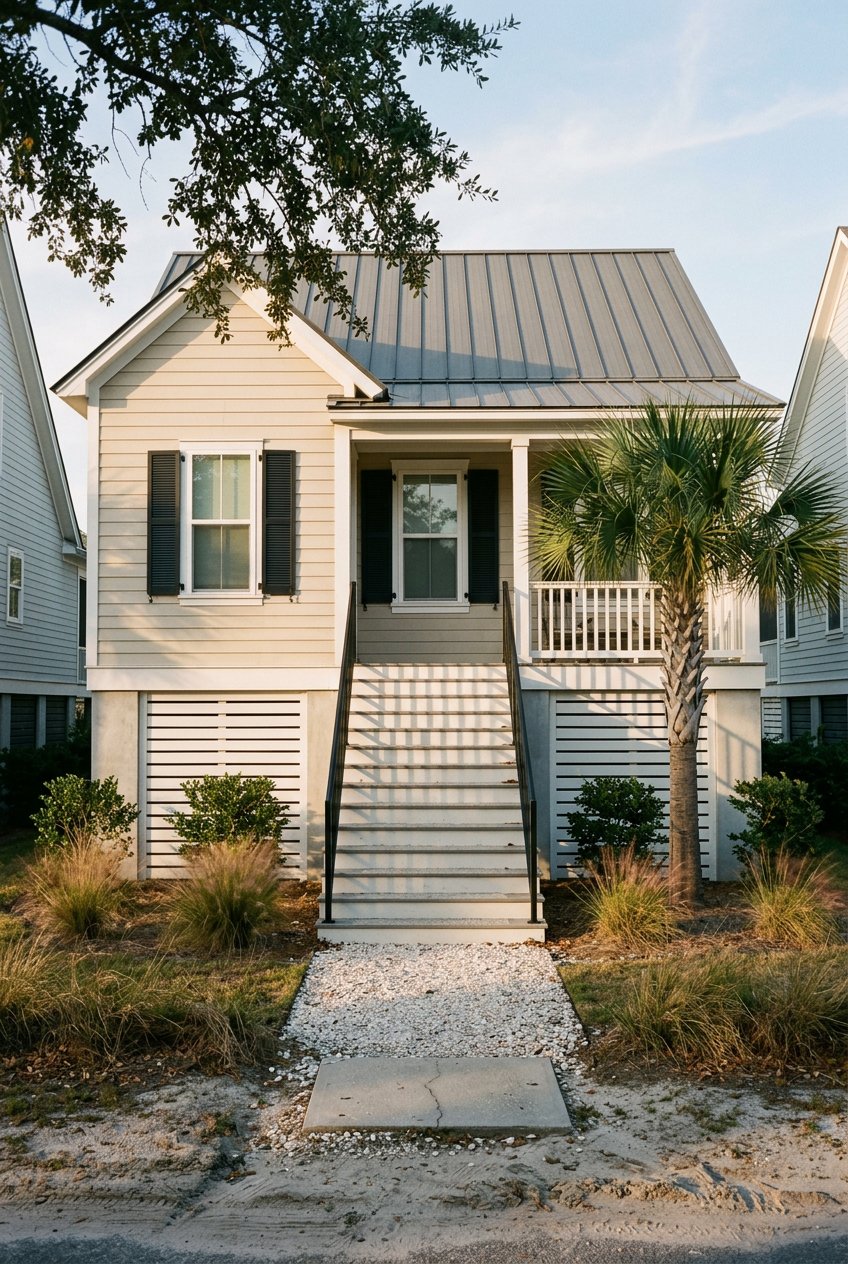
Folly Beach tilts toward smaller vintage cottages, older raised beach homes, and a scattering of duplexes and condos. Many properties have been renovated or rebuilt over time, so street character can vary block by block. On Isle of Palms you will find larger single‑family homes, luxury beach houses, and a meaningful condo and villa market, especially within Wild Dunes.
For pricing context, broad third‑party snapshots as of early 2026 show Folly Beach’s typical home value around the low $1 millions and Isle of Palms higher on average. Vendor methodologies differ, so medians can swing by month and submarket. The right move is to review current MLS comps for your specific block and property type, then weigh condition, elevation, and rental rights before setting an offer strategy.
Short‑term rental rules that shape value
Folly Beach STR basics
Folly runs a structured licensing program with several categories, including Owner‑Occupied Short Term (OSTR), Investor Short Term (ISTR), and Long‑Term rentals. The city limits new investor STR licenses, maintains a waitlist, and requires renewals with proof of activity. Licenses are not automatically transferable to a buyer, and certain changes to a home can trigger re‑application. Review the city’s current program details before you rely on past rental income on Folly’s official STR page.
Isle of Palms STR basics
IOP requires a short‑term rental business license for any property rented for any length of time. The city sets occupancy and parking maximums, ties fees to gross rental income, and requires an owner or manager who can respond 24/7 and be on‑site within one hour. The approach emphasizes safety, parking, and compliance rather than a numerical cap on investor licenses. You can review requirements and fee schedules on the city’s resource page for short‑term rentals.
Tax classification and transfer
Across both islands, rental activity intersects with property‑tax classification. South Carolina’s 4 percent owner‑occupied assessment and 6 percent investor assessment make a material difference to carrying costs, and the state’s 72‑day rule can influence an owner‑occupied status. Confirm how a property’s current and future use will be classified with local licensing staff and review the city’s guidance on Folly’s STR resource.
Risk, insurance, and coastal management
Flood zones and insurance
Address‑level flood zones determine loan and insurance requirements. Many coastal parcels sit in A or V zones, which require elevated construction, breakaway walls on ground‑level enclosures, and mandatory flood coverage if you carry a mortgage. Before you write an offer, pull a FIRMette for the property and review elevation and base flood elevation on FEMA’s official portal for flood map products, then consult the local flood office for parcel‑specific guidance on Folly’s flood information page.
Sea‑level rise and tidal flooding
Regional planning acknowledges increasing nuisance flooding and long‑term sea‑level rise. These trends can affect access, insurance costs, and long‑range maintenance. Include sea‑level projections and tidal‑flood frequency in your due diligence, starting with this overview of Charleston’s outlook from NOAA’s Digital Coast on sea‑level rise and flooding.
Beach renourishment cycles
Both islands participate in periodic beach renourishment to maintain dunes and protect oceanfront property. Projects are scheduled and funded through local and federal partners, which can create construction windows on the beach and temporary easements on certain parcels. Ask about upcoming projects, timing, and any owner obligations, and review U.S. Army Corps updates on the Charleston District’s NEPA documents page.
HOA, parking, and on‑island logistics
If you are considering Wild Dunes, plan for regime documents, layered HOA structures, and amenity access rules that vary by property. Outside the resort, IOP still enforces parking, occupancy, and beach access rules that matter for owner use and guest stays. Folly typically has fewer large HOAs, though neighborhood covenants and island‑wide parking rules still apply. Clarify guest parking capacity, trash schedules, and seasonal restrictions early if you intend to rent.
Decision guide: which fits your lifestyle?
- Choose Folly Beach if you want a surf‑forward, walkable dining strip, and an eclectic cottage feel close to downtown Charleston.
- Choose Isle of Palms if you value resort amenities like golf, tennis, pools, and a calmer evening scene with family‑friendly infrastructure.
- Pick Folly if your ideal weekend is riding bikes to coffee, surfing a morning swell, and grabbing tacos on Center Street.
- Pick IOP if your perfect day includes a tee time, a pool club, and dinner inside a gated resort setting.
- For STR potential, IOP offers broad licensing with defined occupancy and parking rules, while Folly’s caps and non‑transferable licenses require careful verification.
- For property type, Folly often delivers smaller, character homes, while IOP offers larger luxury builds and a deep condo and villa market at Wild Dunes.
Buyer due diligence checklist
- Verify current MLS comps for your specific block and property type. Do not rely solely on broad third‑party medians.
- Confirm the property’s exact STR license type and whether it can transfer to you. Folly licenses are not automatically transferable and investor licenses are capped per city guidance.
- Request year‑by‑year rental income and expense statements, then verify with the manager if you plan to rent.
- Confirm property‑tax classification and how your planned use could change it, including the 72‑day owner‑occupied rule where applicable.
- Pull a FEMA FIRMette, get an Elevation Certificate, and price a flood‑insurance quote early using FEMA’s map tools.
- Ask about scheduled beach renourishment and any related easements or assessments that could affect your parcel via USACE project updates.
- Review local flood and building requirements for elevation and breakaway walls if you plan to renovate or rebuild starting with Folly’s flood resources.
- If considering Wild Dunes, review HOA and regime documents, fees, and guest amenity access rules. Outside the resort, confirm local occupancy and parking limits on IOP’s STR page.
- For lifestyle planning, map your typical week. List the amenities you will actually use, then tour at different times of day and in peak season.
Work with a local specialist
Choosing between Folly Beach and Isle of Palms comes down to how you live, how you host, and how you plan to hold the property over time. You deserve a boutique, white‑glove process that blends design insight with technical due diligence on licensing, flood, insurance, and renourishment timelines. St. Germain Properties curates that experience with staging, media, off‑market access, and deep builder relationships to help you secure the right coastal home at the right number. Ready to explore your fit and see opportunities before they hit the market? Request a Private Consultation with Oliver Caminos.
FAQs
Is Folly Beach or Isle of Palms better for STR income?
- It depends on your guest profile, with IOP and Wild Dunes often commanding amenity‑driven family demand, and Folly attracting surf and weekend visitors; get property‑level ADR and occupancy from a local manager or paid STR analytics before you buy.
Do Folly Beach STR licenses transfer to new owners?
- Not automatically; Folly’s program uses structure‑specific licenses, caps certain categories, and requires renewals, so confirm the parcel’s status with the city before relying on historical revenue on the STR resource.
What flood and insurance steps should I take on these islands?
- Pull a FEMA FIRMette, obtain an Elevation Certificate, and get a flood‑insurance quote early, then verify local requirements with the city flood office via FEMA’s portal and Folly’s flood page.
How do beach renourishment projects affect owners on Folly and IOP?
- Renourishment helps protect beaches and property but can bring temporary construction and easements; ask about timing, funding, and any owner impacts and review updates from the U.S. Army Corps on Charleston District projects.
What types of homes are most common on each island?
- Folly mixes smaller cottages and older raised beach homes with some condos, while IOP offers larger single‑family luxury builds and a strong condo and villa segment within Wild Dunes.