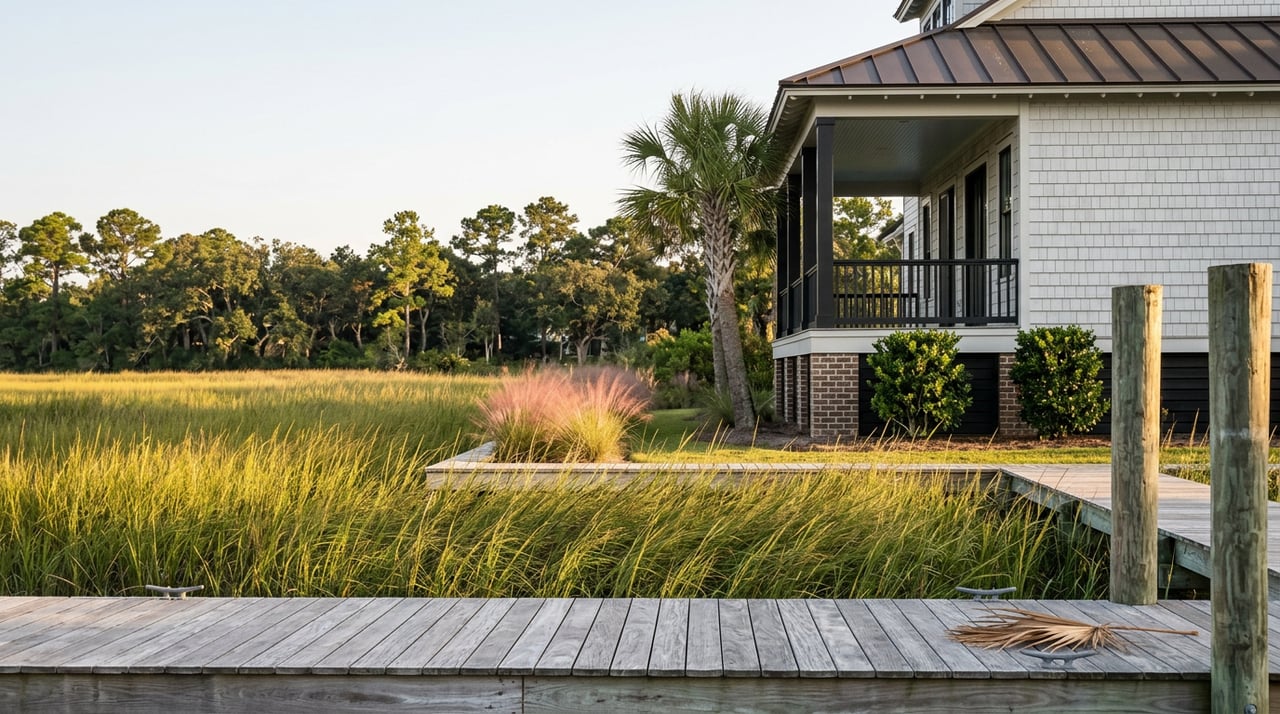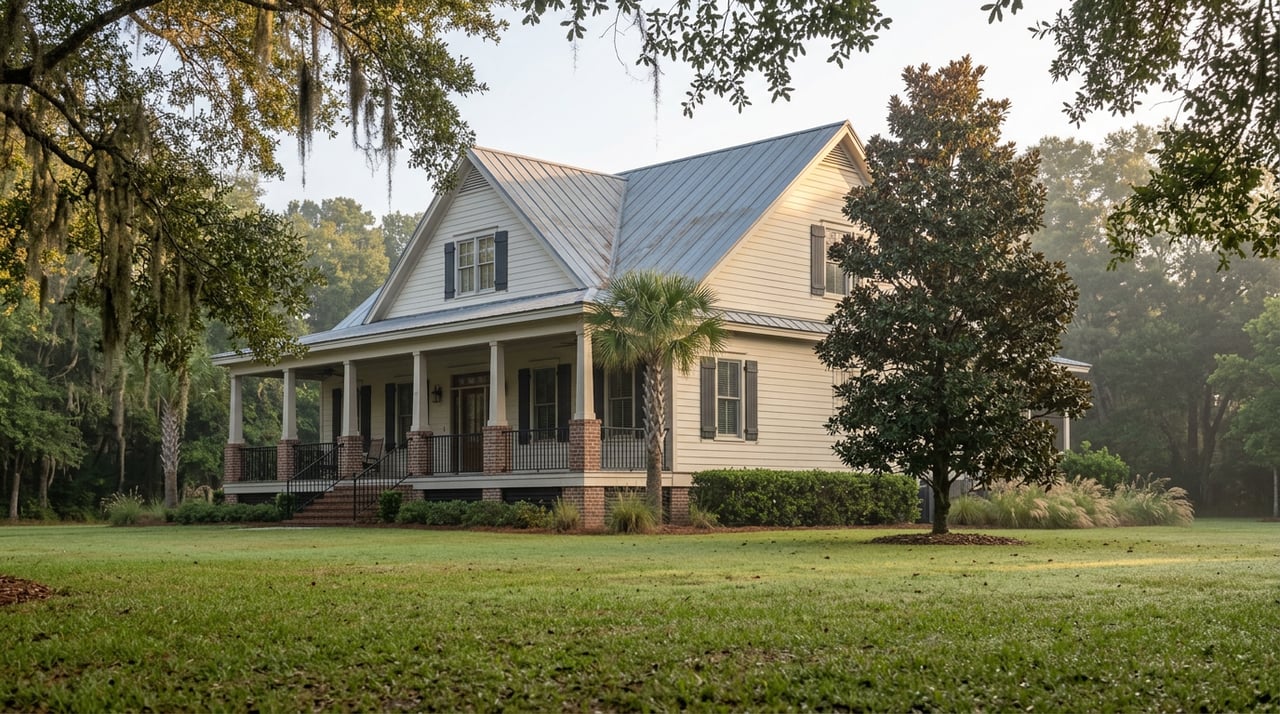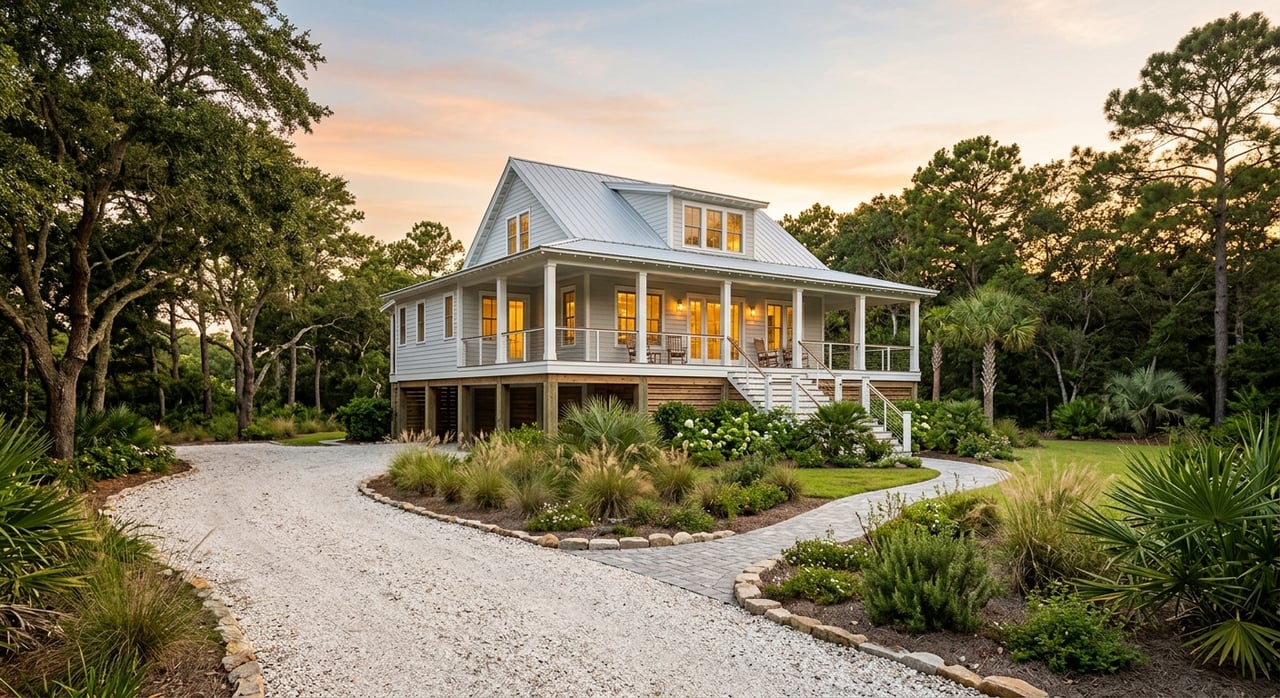
If you are buying new construction on Johns Island, it is easy to focus on finishes, floor plans, and builder incentives first. But on Johns Island, the lot itself can matter just as much as the home. When you understand jurisdiction, drainage, flood risk, septic, and inspections before you sign, you put yourself in a far stronger position. Let’s dive in.
Why Johns Island new construction is different
Johns Island is not a one-size-fits-all new construction market. Charleston County planning materials describe it as a mix of rural land, corridor growth, and overlapping jurisdictions, especially along Maybank Highway and Main Road.
That matters because two homes that seem close together may fall under different rules, review processes, or infrastructure conditions. Maybank frontage can be split between the City of Charleston and Charleston County, while much of Main Road remains under county jurisdiction and keeps a more rural-residential and agricultural character.
For you as a buyer, that means new construction may look very different from one parcel to the next. Some opportunities may be planned developments along growth corridors, while others may be custom homes on individual lots where access, grading, drainage, and septic suitability play a major role.
Start with the lot, not the finishes
A beautiful rendering does not tell you everything you need to know. On Johns Island, the lot often drives the risk, timeline, and even whether the home can move forward as expected.
Before you get too attached to design selections, ask how the parcel will function in real life. You want clarity on who governs the property, whether utilities are public or private, and what site conditions could affect construction or long-term ownership.
Confirm the parcel jurisdiction
One of the first questions to ask is simple: is the parcel under the City of Charleston or Charleston County? Johns Island includes areas where jurisdiction changes along the same corridor, and that can affect permits, zoning, and review requirements.
Do not assume the builder community name tells you the whole story. Confirm the specific parcel jurisdiction early so you know which local rules apply.
Understand permit sequencing
Charleston County says a zoning permit may be required before building permits for items like grading, clearing, driveway work, and construction of dwelling units. The county also requires a stormwater permit for land disturbance over 5,000 square feet.
For many single-family detached homes, county materials say site plan review generally does not apply. Even so, you should still ask the builder what approvals are already in hand and what remains outstanding for your lot.
Sewer, septic, and site readiness
Not every Johns Island homesite will connect to public sewer. If a lot is not served by a public or community sewer system, South Carolina Department of Environmental Services approval and a septic permit are required before Charleston County can issue a building permit.
This is not a minor detail. SCDES evaluates soil type, slope, bedroom count, well locations, property lines, surface waters, the proposed house footprint, driveway, and outbuildings when reviewing a septic application.
Why septic approval matters early
If the soil is unsuitable or the lot is too small for a drainfield, SCDES can deny the permit. Wet weather can also delay evaluations, which may affect your build timeline.
SCDES notes that alternative systems may be approved on a case-by-case basis, and permits to construct are valid for five years. If you are considering a custom lot or a home that is not far along, ask whether the site has already been approved and whether the planned home matches that approval.
Flood and drainage deserve extra attention
Flood and drainage issues are especially important on Johns Island. FEMA’s Flood Map Service Center is the official public source for flood-hazard maps, and homes in Special Flood Hazard Areas generally require flood insurance when financed.
Charleston County also notes that the greatest local flood threat is hurricane storm surge. In addition, unincorporated Johns Island is identified as a Stormwater Special Protection Area subject to added stormwater standards.
Ask for flood-zone details
Do not settle for a vague answer like “this area should be fine.” Ask for the flood-zone designation, any available elevation-certificate information, and whether the property has a county flood-zone determination on file.
These details can affect insurance, design, financing, and your comfort level with the purchase. They can also shape how you compare one new-construction option against another.
Know who handles drainage features
If the lot or community includes stormwater ponds, ask who is responsible for maintenance. Charleston County states that stormwater ponds are intended to reduce downstream flooding, and pond owners are responsible for maintaining them.
That is worth understanding before closing, especially if you are buying in a community with shared drainage infrastructure or a lot with unusual water-management features.
Builder deposits and lender choices
When a home is not yet built, a builder may ask for an upfront deposit or earnest money. You should ask exactly when that deposit can be returned, under what circumstances, and what happens if construction timing changes.
You should also know that even if a builder works closely with an affiliated lender, you do not have to use that lender. Buyers are free to shop around, and comparing financing options can give you a clearer view of total cost.
Questions to ask about money upfront
Before you sign, ask for direct answers on:
- The amount of the deposit or earnest money
- Whether any portion is nonrefundable
- When the deposit may be returned
- What happens if financing falls through
- Whether incentives depend on using a preferred lender
- Whether you may use another lender instead
These points are especially important in a market where timelines, permits, and lot conditions can shift.
Inspections still matter on a brand-new home
Many buyers assume new construction means fewer inspection concerns. In reality, independent inspections are still one of the smartest protections you can build into the process.
Guidance in the research supports making the purchase contingent on financing and a satisfactory inspection. Buyers may also choose to inspect the home during construction, not just at the end.
Consider phase inspections
For Johns Island new construction, phase inspections can be especially useful. Common checkpoints include:
- Foundation stage
- Pre-drywall stage
- Final punch-out stage
- A follow-up around 10 to 11 months if a one-year builder warranty applies
Inspection reports often flag issues such as structural or foundation concerns, improper drainage, and faulty wiring. On coastal and low-lying lots, drainage findings can be particularly important.
Check prior work and licensing
If you are buying on an individual lot or a site with prior improvements, ask whether all earlier work was permitted and finaled. Charleston County warns that unpermitted work can create legal and safety issues.
You should also confirm that the builder or general contractor is properly licensed. County guidance notes that only licensed contractors may perform construction work except in limited homeowner situations.
A practical Johns Island due diligence checklist
When you are comparing new-construction homes or homesites on Johns Island, keep this checklist handy:
- Which government has jurisdiction over the parcel?
- Is the home on public sewer or septic?
- If septic applies, has SCDES already approved the site?
- What flood zone applies to the lot?
- Is elevation-certificate information available?
- Is the property in the Johns Island Stormwater Special Protection Area?
- Who maintains drainage features or stormwater ponds?
- What permits have been issued so far?
- What is the builder’s deposit return policy?
- Are you free to use a different lender?
- Can you schedule independent inspections during construction?
- Will you have a final walkthrough and a later warranty review?
- Have any prior site improvements been properly permitted and finaled?
- Is the builder or contractor properly licensed?
What this means for your purchase strategy
The best Johns Island new-construction decisions usually come from balancing design and due diligence. A polished model home or strong incentives may look appealing, but your long-term satisfaction often depends on the less visible details tied to the parcel.
That is why it helps to approach Johns Island with a lot-first mindset. When you understand local jurisdiction, stormwater rules, flood exposure, septic feasibility, and inspection timing, you can move forward with more confidence and fewer surprises.
If you are exploring new construction on Johns Island and want a more informed, high-touch buying process, Oliver Caminos can help you evaluate the lot, the builder, and the details that matter before you commit.
FAQs
What makes buying new construction on Johns Island different from other areas?
- Johns Island includes a mix of rural land, corridor growth, and overlapping city and county jurisdictions, so lot conditions, drainage, flood exposure, and septic can matter as much as the house itself.
What should you ask about septic when buying a new home on Johns Island?
- Ask whether the lot is on public sewer or septic, whether SCDES has approved the site, and whether the approved septic layout matches the planned home footprint and bedroom count.
Why are flood and drainage important for Johns Island new construction?
- Charleston County identifies hurricane storm surge as the greatest local flood threat, and unincorporated Johns Island is a Stormwater Special Protection Area with added stormwater standards.
Can you use your own lender for a new-construction home on Johns Island?
- Yes. Even if a builder has an affiliated or preferred lender, buyers are free to shop around and compare financing options.
Should you get inspections on a brand-new home on Johns Island?
- Yes. Independent inspections can be valuable at the foundation, pre-drywall, final, and 10 to 11 month warranty stages, especially because reports may uncover drainage, structural, or wiring issues.
What permits matter when buying a new-construction home on Johns Island?
- Depending on the parcel and work involved, zoning permits, building permits, and stormwater permits may all matter, so you should ask which approvals are complete and which are still pending.