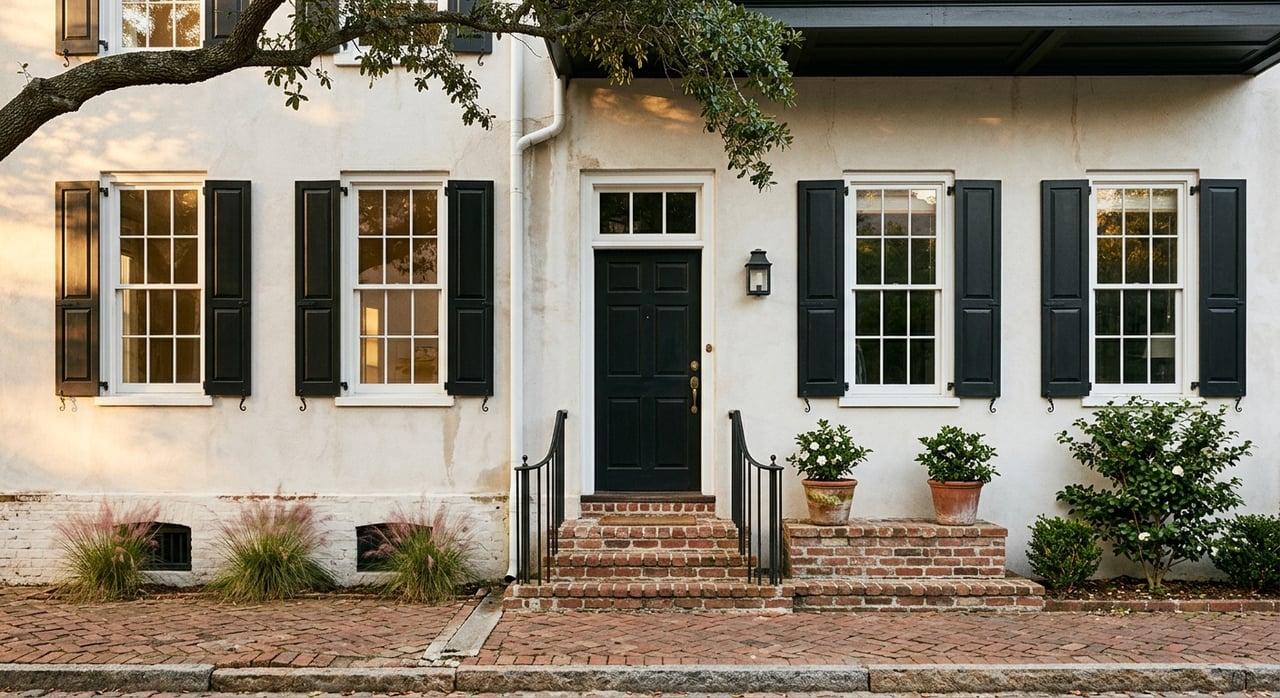
Buying a historic home in downtown Charleston can feel like stepping into a piece of living architecture. You may be drawn to the piazzas, original windows, masonry details, and layered design history, but you also need to understand the rules, risks, and upkeep that come with that charm. If you are considering a purchase in this market, knowing what to look for before you write an offer can help you protect both your lifestyle and your investment. Let’s dive in.
Why Downtown Charleston Is Different
Downtown Charleston is one of the country’s most preservation-focused housing markets. The City of Charleston defines the Old and Historic District as a designated historic district downtown, and the National Park Service identifies Charleston as a National Historic Landmark District and National Register district with more than 1,400 historically significant buildings in the area around City Hall. That historic depth is a major reason buyers are drawn here, but it also means your due diligence needs to go beyond a typical home search.
Market conditions add another layer. As of March 2026, Redfin reported a median sale price of $1.225 million in Downtown Charleston and described the market as somewhat competitive. In practice, that means you may need to move quickly, while still verifying district status, renovation limitations, flood exposure, and long-term maintenance needs before you commit.
Know the Historic Home Types
Charleston’s historic homes are not all the same. The city’s residential fabric includes Adamesque, Federal, Greek Revival, Roman Revival, Regency, and Gothic Revival influences, often with later additions or altered details. That mix is part of the appeal, but it also means each property should be evaluated on its own architectural history and current condition.
The most recognizable local form is the Charleston single house. According to the National Park Service documentation on Charleston architecture, these homes are typically narrow, one room wide, set with the gable end toward the street, and designed with side piazzas to capture breezes and reduce sun exposure. Those features are beautiful and practical, but they can also affect how the home lives today.
Character can shape daily function
Historic layouts were often designed for climate and building traditions, not modern open-concept preferences. You may find narrower openings, more segmented rooms, or service spaces that feel different from newer construction. If authenticity matters to you, it helps to go in with clear expectations about how original design choices may affect everyday living.
Original features may limit changes
Some of the details that make a home special are also the most sensitive to alter. Piazzas, windows, masonry, stucco, roof shapes, and visible rear additions may all fall under preservation review if they can be seen from the public right-of-way. Before you assume a quick cosmetic update is simple, it is smart to confirm what changes may require approval.
Understand BAR Review Early
One of the most important steps in buying a historic home in downtown Charleston is understanding the City of Charleston’s Board of Architectural Review, or BAR. The city states that the BAR reviews new construction, alterations, and renovations that are visible from the public right-of-way within historic districts. It also reviews demolitions of buildings 50 years of age or older south of Mount Pleasant Street, along with any demolition in the Old and Historic District.
According to the city’s BAR page and guidelines, the review process is based on city guidelines and the Secretary of the Interior’s Standards. The Preservation Division also encourages owners to check with city staff before starting work. That is important for buyers because renovation ideas that seem straightforward on paper may change once review standards, materials, and visibility are considered.
What may require review
Even modest exterior work can trigger review. The city notes that smaller items such as painting, sitework, signage, and repairs are often handled at the staff level rather than by the full board. Larger changes, such as additions, porch modifications, window replacements, roofing changes, or demolition, can have a bigger impact on design, timeline, and budget.
Research tools that can help
If you want to understand a property’s evolution before buying, the city offers useful starting points through its Historic Resources Survey and Architectural Inventory. The city also points buyers and contractors toward architectural surveys, vertical files, Sanborn Fire Insurance Maps, Historic Aerials, tax records, Google Maps, and the Historic Charleston online archive. These tools can help you spot additions, changes in footprint, and clues about what may have been altered over time.
Look Into Tax Credit Rules
If you are planning a substantial rehabilitation, incentive programs may be worth exploring early. South Carolina currently offers a 25% state historic rehabilitation tax credit for owner-occupied residences, but applications must be submitted to the State Historic Preservation Office before work begins. You can review the details through the South Carolina homeowner historic rehabilitation program.
It is also important to know what does not apply. The National Park Service states that the federal historic rehabilitation tax credit equals 20% of qualified rehabilitation expenses, but it is only available for business or other income-producing properties, not a primary residence. Because both state and federal programs recommend professional tax guidance, it is best to confirm eligibility before you rely on any projected savings.
Prioritize Inspections for Moisture
For historic homes, moisture is one of the biggest technical issues to evaluate. The National Park Service Preservation Brief on controlling moisture recommends cyclical maintenance and annual inspection, with close attention to roofing, gutters, downspouts, flashing, foundations, ventilation, condensation, sump pumps, dehumidifiers, and interior moisture sources. In older houses, visible finishes do not always tell the whole story.
A fresh coat of paint or a polished kitchen does not necessarily mean the underlying systems are sound. Water intrusion can show up in crawlspaces, attics, chimneys, plaster, or concealed framing long before it becomes obvious in living areas. That is why a preservation-minded inspection strategy matters so much.
Build a deeper inspection team
A standard home inspection is a starting point, but for an older downtown Charleston home, it is prudent to consider specialists for roofing, moisture intrusion, and wood-destroying organisms. This approach aligns with the maintenance and risk concerns identified in the NPS guidance. It can also help you distinguish between a house that has been thoughtfully maintained and one that has only been cosmetically updated.
Ask what caused past repairs
If you see signs of repeated patching or repaired damage, ask more than whether the work was completed. The more important question is whether the source of the moisture was actually corrected. The NPS guidance is clear that preventing infiltration matters more than simply covering the symptoms.
Do not overlook termites
In South Carolina, termite prevention and control are a serious part of homeownership planning. Clemson Extension notes that nearly all termite infestations in the state require a licensed pest management professional. On an older property with exposed wood elements or moisture history, that makes pest inspection a practical part of your pre-closing checklist.
Check Flood Risk Before You Buy
Flood exposure is one of the most important underwriting and ownership issues in downtown Charleston. The City of Charleston states that all properties in the city are in a flood zone, though not all fall within FEMA’s Special Flood Hazard Area. AE, Coastal A, and VE zones are in the SFHA, while X zones are outside it.
Just as important, the city notes in its Flood Information FAQs that about 25% of flood insurance claims come from low-to-moderate risk areas. In other words, a lower-risk designation does not mean no risk. Buyers should treat flood due diligence as essential, regardless of the zone label.
Know what standard insurance excludes
A standard homeowners insurance policy does not cover flood damage. Flood coverage is separate, and NFIP policies generally have a 30-day waiting period before coverage begins. Depending on the property, a lender may require flood insurance even outside the SFHA, so it is wise to get quotes early in the process.
Ask for documents upfront
Before closing, confirm the property’s flood zone and ask whether an elevation certificate is on file. Insurance pricing and eligibility can shift based on elevation, flood zone, and mitigation features. Getting those answers early can prevent surprises after you are already under contract.
Consider Resilience and Renovation Limits
Flood planning also affects future improvements. The city’s Floodplain Management guidance notes that Charleston enforces Coastal A Zone flood design and construction requirements for new construction and substantial improvements under the 2021 South Carolina Building and Residential Codes. If you are buying with plans to renovate, floodplain rules may shape what is possible along with BAR review.
Charleston is also dealing with long-term environmental change. The city’s Flooding and Sea Level Rise Strategy reports 13 inches of sea-level rise over the last 100 years, with nearly half of that occurring in the last 20 years. That trend is one more reason to think about both immediate flood costs and long-term resilience when comparing homes.
Explore mitigation opportunities
For owner-occupied single-family homes in coastal counties, the South Carolina Safe Home program can help fund wind mitigation improvements such as stronger roofs, shutters, and impact-rated openings. The program also notes that these upgrades may support insurance-related benefits, though discounts vary by carrier. If a home needs upgrades over time, this may be worth discussing as part of your ownership plan.
A Smart Buyer Checklist
When you are buying a historic home in downtown Charleston, a disciplined process can help you move with confidence.
- Confirm whether the property is in the Old and Historic District or another reviewed area.
- Review any planned exterior changes against BAR requirements before assuming they will be approved.
- Study the home’s architectural style, visible alterations, and potential period details.
- Order a strong inspection package with attention to roof conditions, moisture intrusion, crawlspaces, attics, and wood-destroying organisms.
- Verify flood zone status and request any elevation certificate on file.
- Obtain homeowners and flood insurance quotes early.
- Budget for maintenance that preserves historic materials, especially roofing, gutters, windows, masonry, and drainage-sensitive areas.
- If you are considering a major rehabilitation, review whether the South Carolina historic homeowner tax credit may apply before work begins.
Buying historic property in Charleston is rarely just about square footage or finishes. It is about stewardship, design, regulation, and long-term planning all at once. With the right guidance, you can find a home that delivers both character and clarity, while avoiding costly assumptions along the way.
If you are considering a historic purchase in downtown Charleston and want a more tailored strategy, Oliver Caminos can help you evaluate property character, market positioning, and the due diligence steps that matter most before you move forward.
FAQs
What should you check before buying a historic home in downtown Charleston?
- You should confirm historic district status, possible BAR review requirements, flood zone, insurance options, inspection findings, and the likely maintenance needs of original materials.
What is the Charleston Board of Architectural Review for historic homes?
- The Charleston Board of Architectural Review reviews certain exterior changes, new construction, renovations, and demolitions in historic districts or qualifying older properties, especially when work is visible from the public right-of-way.
Does flood insurance matter for downtown Charleston historic homes?
- Yes. The City of Charleston states that all properties in the city are in a flood zone, and a standard homeowners policy does not cover flood damage.
Can you renovate a historic home in downtown Charleston freely?
- No. Many exterior changes may require staff or BAR review, and both preservation rules and floodplain regulations can affect design, materials, and project timing.
Are there tax credits for historic home rehabilitation in South Carolina?
- Yes. South Carolina offers a 25% historic rehabilitation tax credit for qualifying owner-occupied residences, but approval must be obtained before work begins.