If you want Charleston-area living that feels quieter, greener, and more connected to the outdoors, Johns Island stands out right away. You may be looking for more land, easier access to coastal amenities, or a home that balances privacy with convenience. The appeal here is that Johns Island is not just one thing. It offers several ways to live the Lowcountry lifestyle while staying within reach of both the beaches and downtown Charleston. Let’s dive in.
Why Johns Island Feels Different
Johns Island is a large sea island southwest of downtown Charleston. According to the City of Charleston, it spans about 84 square miles and is the largest island in South Carolina. It sits between the Stono River, the Kiawah River, Bohicket Creek, and Church Creek, which helps shape its strong connection to water, marsh, and open space.
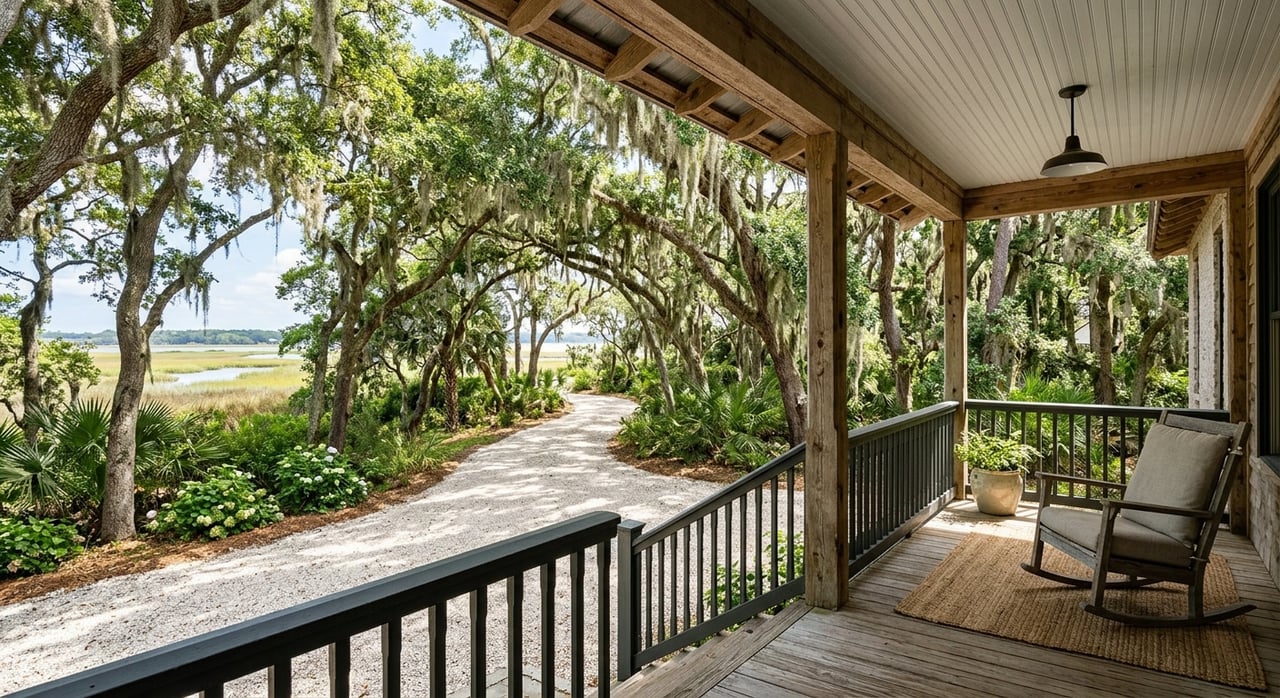
What many buyers notice first is the landscape. The island is known for forested land, wetlands, marsh views, tree-lined roads, and scenic corridors that still reflect its historic and agricultural roots. That combination gives Johns Island its distinct identity: rural in feel, but still closely tied to the coast.
One of the clearest symbols of that character is Angel Oak Park. The City of Charleston describes the Angel Oak as a historic Southern live oak estimated to be 300 to 400 years old. Scenic roads such as Bohicket Road and River Road also help preserve the island’s visual character through tree-protection standards.
A Rural Setting With Coastal Reach
One reason Johns Island continues to attract relocation buyers is its balance of calm and access. You can enjoy a setting that feels more pastoral than suburban while still having a practical connection to key destinations in the Charleston area. That includes nearby beach-oriented shopping and dining as well as access toward downtown Charleston.
Freshfields Village describes itself as the crossroads of Kiawah, Seabrook, and Johns Islands. In everyday terms, that means Johns Island residents can enjoy a quieter home base while still reaching coastal conveniences without feeling isolated. For many buyers, that mix is hard to find elsewhere.
Johns Island Offers More Than One Lifestyle
A helpful way to think about Johns Island is as a choose-your-version-of-Lowcountry-living market. It is not a single-use resort island, and it is not defined by just one housing type. Instead, you will find several distinct lifestyle paths, often within the same broader area.
For buyers, that matters because your ideal fit may have less to do with price point alone and more to do with how you want your days to feel. On Johns Island, the most common themes include land and privacy, club-oriented living, and newer village-style communities with built-in amenities.
Acreage And Privacy
Some parts of Johns Island still feel deeply tied to the island’s agricultural past. The Johns Island Community Plan notes that the area evolved from an agricultural landscape, and many development opportunities have historically involved relatively large parcels rather than conventional subdivision patterns. That history still shows up in the island’s overall layout and feel.
If you are drawn to room to spread out, this category may be especially appealing. Larger parcels can support a quieter daily rhythm, more separation from neighbors, and space for features that are harder to find in denser neighborhoods. Buyers who value privacy, gardens, or a more open homesite often start their Johns Island search here.
The island’s working-land culture reinforces that identity. Legare Farms is one visible example of the agricultural tradition still associated with Johns Island. Charleston County’s Greenbelt program also highlights equestrian use at Brickhouse Equestrian Center, where preserved pasture and open fields support another side of the island’s rural lifestyle.
Equestrian And Farm Culture
On Johns Island, nature is not just scenery. In many areas, it is part of daily life. Equestrian uses, farm settings, and open land preservation all contribute to an environment that feels grounded in the Lowcountry landscape.
Brickhouse Equestrian Center is a strong example. Charleston County’s Greenbelt program notes active equestrian use there and the preservation of 37 acres of pasture and open fields. For buyers who want a home base that feels more organic and less master-planned, that kind of surrounding context can be a meaningful part of the decision.
This does not mean every home is on a farm or equestrian property. It means the island’s broader character still includes those uses, and that shapes what it feels like to live there. If you want a place where wooded roads, open fields, and marsh views are part of the everyday setting, Johns Island delivers that in a way few other Charleston-area locations can.
Golf And Club-Linked Living
Johns Island also appeals to buyers who want a more structured amenity lifestyle. Golf and club-linked communities add another layer to the market, offering an option that feels different from acreage living while still staying connected to the island’s broader setting.
One notable example is Orange Hill at Kiawah Island Club. It is described as a new residential and golf community on historic Johns Island with 120 homesites, an 18-hole course by Beau Welling, and membership access to Kiawah Island Club amenities. That creates a distinct option for buyers who want organized recreation and a private club setting.
Nearby barrier island communities also shape how some buyers view Johns Island. Official community information for Kiawah Island and Seabrook Island highlights amenities such as golf, beach access, racquet sports, equestrian features, wellness offerings, dining, and oceanfront settings. For some buyers, Johns Island works well as a home base that keeps those nearby lifestyle options within reach.
Newer Waterfront Villages
If you prefer newer construction and a more unified design vision, Johns Island also includes newer master-planned development. Kiawah River is the clearest example of that direction. The community describes itself as a 2,000-acre waterfront village on the Kiawah River, about 20 miles from Charleston.
The concept centers on outdoor living, historic-inspired home design, village gathering spaces, a working farm, and places such as the Goatery. Charleston County’s development agreement also emphasizes open space, access points, and preserving the property’s rural flavor as homes and mixed-use elements are added. That blend can appeal to buyers who want new construction without giving up the landscape character that makes Johns Island special.
Rosebank Farms’ farmstand at Kiawah River adds another practical and lifestyle-oriented element. For buyers, this kind of community often offers a strong design narrative, on-site recreation, and conveniences that reduce the need to leave the neighborhood for everyday enjoyment.
Outdoor Living Shapes Home Design
Because Johns Island is so tied to marsh, woods, and waterways, home design often follows the landscape. The island’s greenways planning emphasizes forested lands, wetlands, marsh views, and scenic resources, while newer communities such as Kiawah River explicitly design around outdoor living.
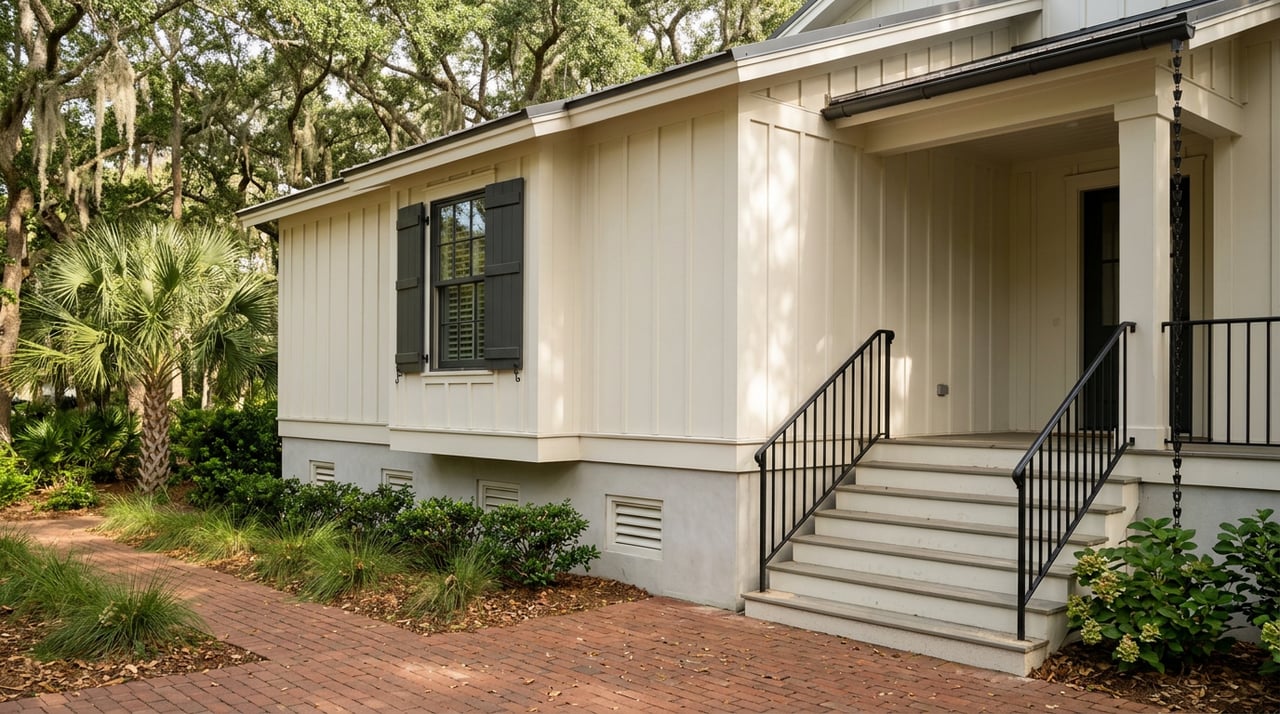
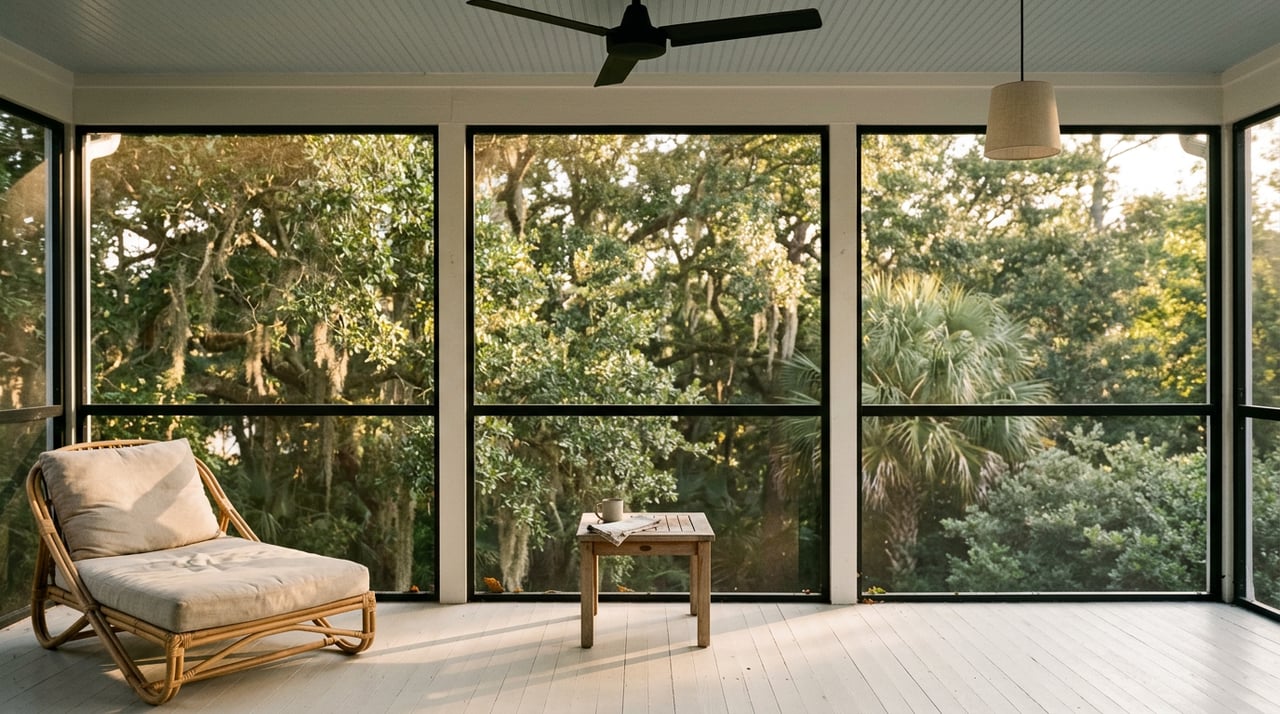
That helps explain why features like porches, screened rooms, and indoor-outdoor floor plans feel especially natural here. In the right setting, a marsh-facing lot or a home designed for breezes and outdoor gathering can become a major part of daily life. On Johns Island, the lifestyle and the architecture often support each other.
For buyers who care about presentation and long-term livability, this is an important point. A home here is often more than square footage alone. The relationship between the home, the lot, and the surrounding landscape can have a major impact on how the property feels.
What Relocation Buyers Should Consider
If you are relocating, Johns Island is worth viewing through a lifestyle lens first. Before narrowing your search, it helps to decide whether you want open land, club-oriented amenities, or a newer village environment with a cohesive design feel. Each version of Johns Island offers a different day-to-day experience.
You should also pay attention to how much convenience you want built into your surroundings. Some buyers value a more tucked-away property with a slower pace, while others prefer a community where gathering spaces, trails, and daily amenities are integrated into the neighborhood. Johns Island can support both preferences, but usually not in the same exact setting.
Finally, think about what you want your Charleston-area home to feel like when you come back to it each day. If your vision includes scenic roads, mature trees, marsh views, and a little more breathing room, Johns Island may be one of the strongest matches in the market.
Why Johns Island Continues To Stand Out
Johns Island’s biggest strength is range. It combines wooded scenic corridors, working-farm culture, equestrian uses, club communities, and newer waterfront village development in one broad geographic area. That creates a market with more variety than many buyers expect.
Just as important, it offers that variety without losing its identity. Johns Island still reads as a historically agricultural sea island with strong natural character and coastal access. If you want a Charleston-area location that feels grounded, scenic, and flexible, it is easy to see why Johns Island keeps drawing attention.
Whether you are searching for a private retreat, a design-forward new home, or a property that keeps you close to coastal amenities, the right guidance can help you narrow the options quickly. If you are considering a move to Johns Island or exploring the best fit for your lifestyle, connect with Oliver Caminos for a private consultation.
FAQs
What makes Johns Island different from other Charleston-area communities?
- Johns Island stands out for its mix of rural character, scenic tree-lined roads, wetlands, marsh views, agricultural roots, and access to both coastal destinations and downtown Charleston.
What types of homes can you find on Johns Island?
- Buyers commonly find three broad lifestyle categories: larger parcels with more privacy, golf and club-linked communities, and newer master-planned waterfront villages.
Is Johns Island a good fit if you want more land and privacy?
- Yes. Parts of Johns Island are still shaped by its agricultural history and include larger parcels that can appeal to buyers seeking open space, quieter surroundings, and a less suburban feel.
What is the lifestyle like in newer Johns Island communities?
- Newer communities such as Kiawah River focus on outdoor living, historic-inspired design, gathering spaces, open space, and farm-connected amenities within a planned village setting.
Does Johns Island offer access to golf and club amenities?
- Yes. Johns Island includes golf-oriented options such as Orange Hill at Kiawah Island Club, and it also sits near Kiawah and Seabrook island communities known for broad amenity offerings.
Why do outdoor spaces matter so much in Johns Island homes?
- The island’s landscape of marshes, wetlands, woods, and scenic corridors makes features like porches, screened rooms, and indoor-outdoor layouts especially well suited to the way many people want to live there.