Wondering whether Summerville’s historic heart or one of its newer planned communities fits you better? It is a smart question, because these two paths can lead to very different daily routines, ownership responsibilities, and long-term priorities. If you are weighing charm against convenience, this guide will help you compare what life can look like in each setting so you can move forward with more clarity. Let’s dive in.
How Summerville Offers Two Distinct Lifestyles
In Summerville, the contrast is not just about old homes versus new homes. It is also about whether you want to live in an established historic setting or in a newer community built around amenities, open space, and private governance.
The Town of Summerville describes downtown as the historic heart of the community, with renovated and reoccupied historic buildings and a continued focus on redevelopment and infill. By comparison, newer communities such as Nexton and Cane Bay are built with coordinated plans that emphasize trails, parks, shared amenities, and a more structured neighborhood experience.
Historic Downtown Living in Summerville
Historic downtown offers a setting shaped by preservation rather than a single modern master plan. The area reflects Summerville’s longstanding identity, and the Town ties that historic character to the community’s small-town feel and tourism appeal.
That means your day-to-day experience may feel more rooted in an existing streetscape and architectural context. Instead of living in a neighborhood built all at once, you are living within a place that has developed over time and is still guided by preservation goals.
Downtown has an established character
The Town’s planning documents identify 844 historic properties in the district. That scale gives downtown a defined historic identity that is difficult to replicate in newer areas.
If you are drawn to places with a strong sense of context, this can be a meaningful advantage. The setting tends to feel individual, layered, and tied to Summerville’s broader story.
Historic homes often feel more unique
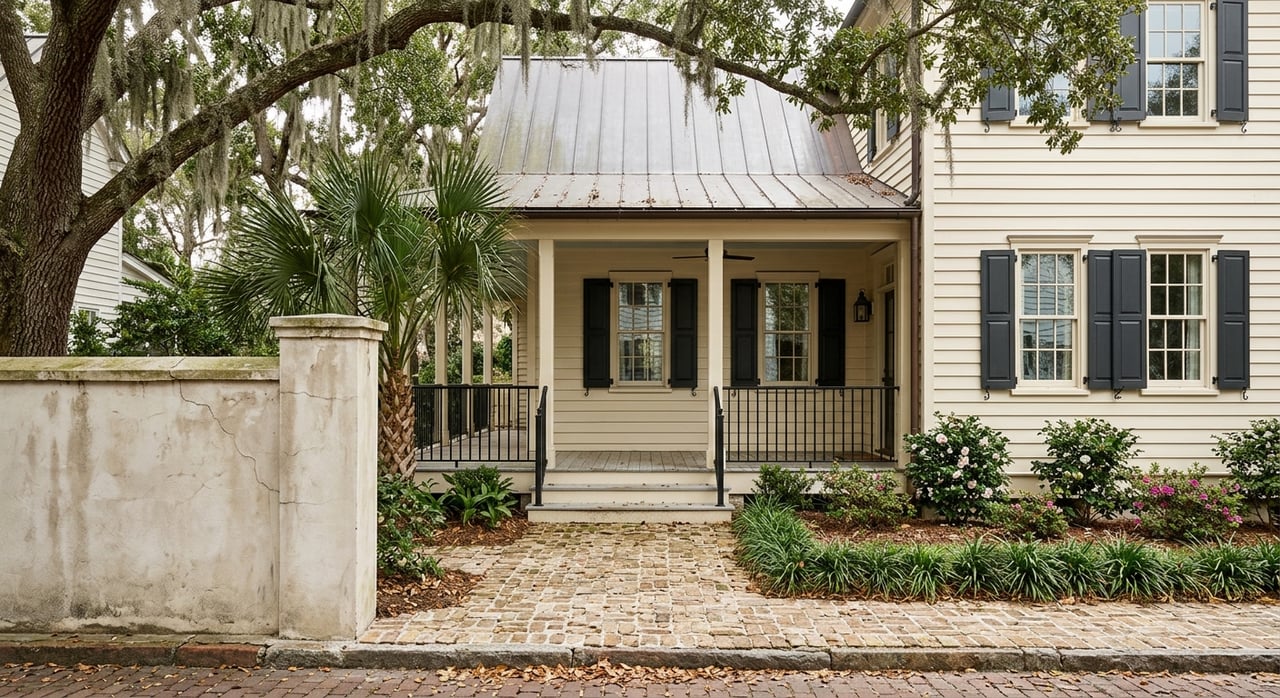
Summerville’s historic district is especially known for older residential forms, including bungalows. The Town’s design guidelines describe common features such as compact one- to one-and-a-half-story massing, projecting eaves, multiple gables, low-pitched roofs, large dormers, and full-width front porches.
Some homes also show Craftsman and Victorian details. For buyers who care about architecture, that often translates to homes with more personality and less repetition from one property to the next.
New Communities on Summerville’s Edge
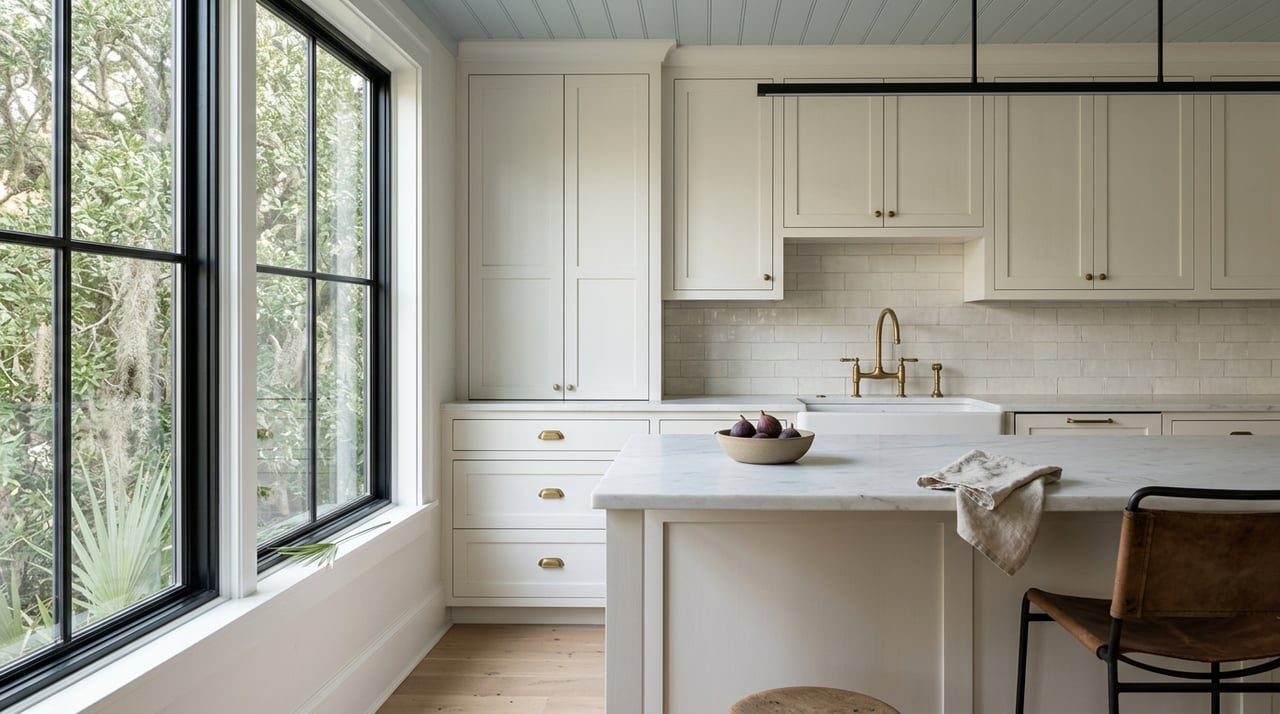
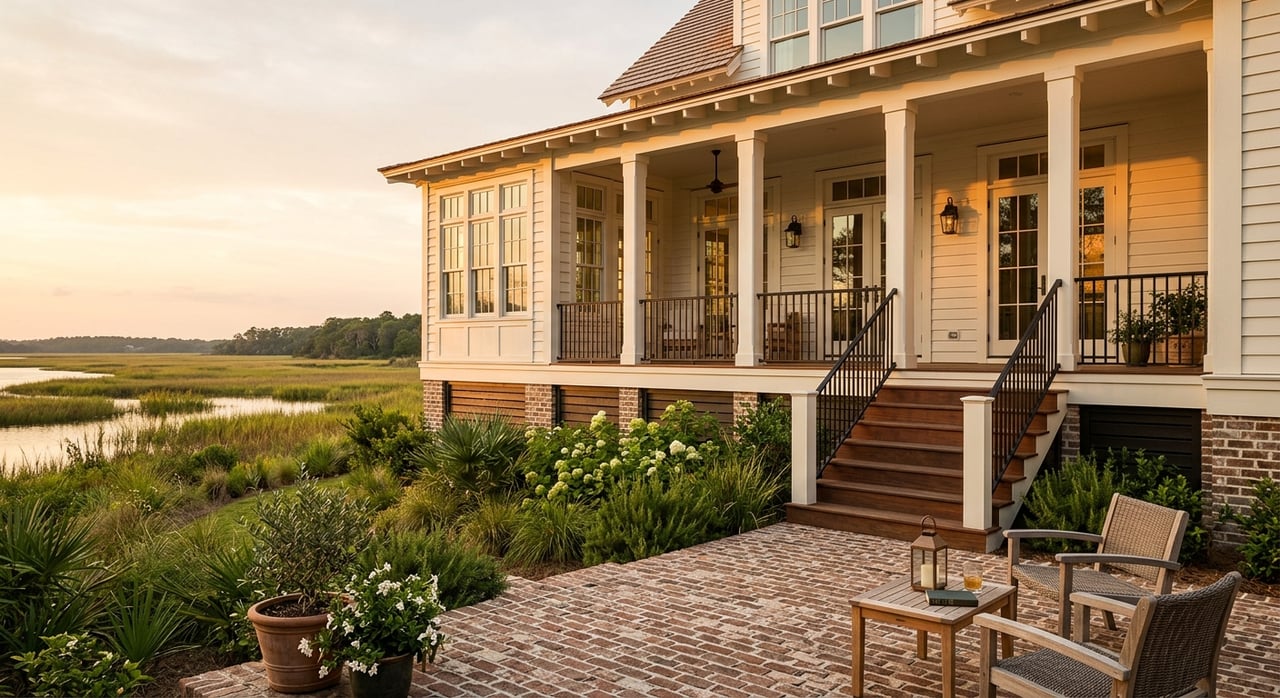
Newer communities in Summerville are designed with a different goal. Rather than preserving older fabric, they are planned around contemporary homes, open space, and amenities that support a more programmed daily rhythm.
This can appeal to buyers who want predictable maintenance expectations, newer infrastructure, and recreation built into the neighborhood layout. It is a different kind of convenience, and for many households, that convenience carries real value.
Amenities shape the daily experience
Nexton highlights features such as event lawns, dog parks, pools, pickleball courts, the Midtown Clubhouse, and paved paths and trails. Cane Bay emphasizes an over-25-mile trail system, a YMCA and library campus, and a shopping area with everyday services.
If you want amenities close to home, this type of planning can be attractive. Your routine may revolve more around shared facilities and organized community spaces than around a historic downtown setting.
New homes follow a coordinated plan
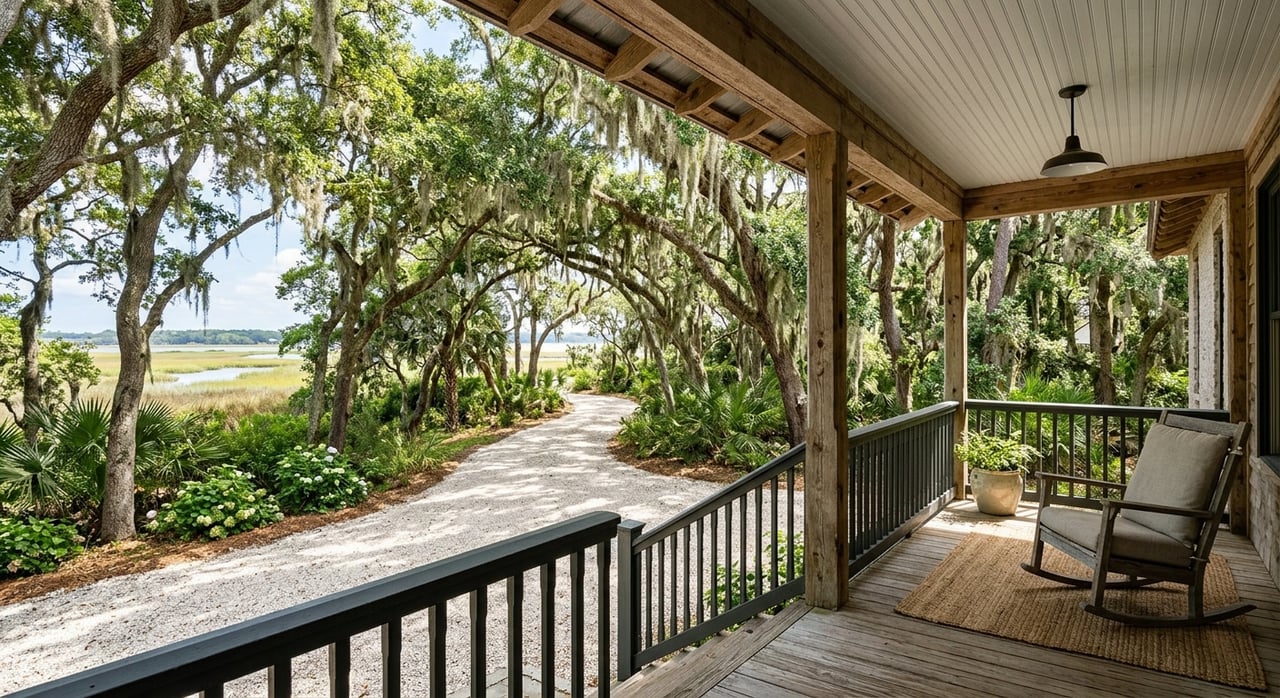
Nexton emphasizes freshly designed new homes and a community-wide system of parks, open space, and amenities. Cane Bay highlights homes positioned around ponds, wetlands, or open space, along with preserved green space and privacy.
For you, that may mean a more consistent neighborhood look and a home that feels move-in ready from day one. It can also mean less architectural variation than you would typically find in the historic core.
Comparing Home Style and Design
One of the biggest decision points is how much architectural character matters to you. Historic downtown homes often reflect their original era and sit within a streetscape shaped by preservation rules. New communities tend to offer modern layouts and a more unified visual plan.
Neither choice is automatically better. It depends on whether you value originality and older design language or streamlined living with newer construction standards.
Historic homes emphasize individuality
The Town says preserving historic character is key to maintaining Summerville’s charm and distinctive atmosphere. In practical terms, that means the homes and surrounding streets often feel more tailored to place than to a broad production template.
If you love porches, older rooflines, and homes with details that evolved over time, downtown may feel more compelling. Buyers who appreciate restoration and architectural context often find that especially appealing.
New communities emphasize consistency
In the newer communities, the appeal is often less about historic character and more about a complete lifestyle package. Homes are part of a larger plan, and that plan usually includes open space, recreational features, and a coordinated streetscape.
For some buyers, that predictability is a major plus. You may prefer knowing the neighborhood was designed to deliver a more consistent visual and functional experience.
Ownership Rules and Renovation Freedom
This is where the differences become especially important. In downtown’s historic district, exterior changes are reviewed through a public preservation process. In newer communities, oversight is typically handled through private community rules.
Before you buy, it helps to think carefully about how much freedom you want and how comfortable you are with design review. The right fit often comes down to whether you prefer preservation standards or private association structures.
Downtown exterior work faces BAR review
The Town says the Historic District Board of Architectural Review reviews new construction, exterior modifications, and demolition within the downtown historic district. The district also has design guidelines covering demolition, renovation, rehabilitation, and new construction.
If you are considering a historic property, that matters. Even when a home has strong charm, future changes may require a more careful review process than you would face in a newer neighborhood.
Some historic homes may need more upkeep
The Town’s comprehensive plan notes that some historic homes need restoration and that some sidewalks in older neighborhoods need repair. As a result, condition can vary quite a bit depending on the property and block.
That does not mean historic ownership is a drawback. It simply means you should evaluate each home closely and factor maintenance and improvement plans into your decision.
New communities may include recurring fees
In newer communities, the rules are usually tied to private associations and amenity structures rather than historic preservation. Nexton states that residents pay through a POA structure, a community enhancement fund equal to 0.25% of a home’s resale price, and a Nexton Improvement District assessment of about $900 annually instead of town city property tax.
For buyers, that is an important reminder to compare the full carrying cost, not just the purchase price. A newer home can offer convenience, but recurring fees and assessments should be part of your budgeting process.
Long-Term Value Considerations
Many buyers ask which option is the better long-term move. In Summerville, the answer usually depends on what type of value matters most to you.
Historic downtown can benefit from scarcity, identity, and a well-defined sense of place. New communities often compete on newer infrastructure, community features, and convenience-driven planning.
Historic downtown offers scarcity and identity
The Town says preserving historic character helps maintain the look and feel of Summerville and notes that the district’s architecture contributes to the community’s story and year-round tourism appeal. Because the district is limited and regulated, the supply of comparable homes is naturally more constrained.
That can support long-term desirability for buyers who want character and context. In many cases, what makes downtown appealing is precisely what makes it hard to duplicate.
New communities offer updated planning
The Town’s comprehensive plan says newer neighborhoods with updated infrastructure and room for additional development should generally be considered before older built-out neighborhoods that may require more substantial infrastructure improvements. That can matter if you prioritize newer systems and more recent community planning.
At the same time, the same plan notes that some newer neighborhoods still lack pedestrian connections to one another. So while newer communities may feel more modern, that does not automatically mean every area is fully connected on foot.
Which Summerville Option Fits You Best?
If you are trying to narrow the choice, it helps to focus on your day-to-day priorities rather than broad labels. Historic downtown and newer communities each solve a different problem for a buyer.
Historic downtown may suit you if you want architectural character, a more established setting, and a home with individuality. Newer communities may fit better if you want amenities, more standardized upkeep, and a neighborhood built around convenience and shared spaces.
A simple way to frame the tradeoff is this:
- Choose historic downtown if you value charm, scarcity, and a strong sense of place.
- Choose a newer community if you value amenities, predictability, and a more structured ownership experience.
- Look closely at review rules, maintenance needs, and recurring fees before making your final decision.
In a market like Summerville, the best choice is rarely about which option is universally better. It is about which one matches the way you want to live.
If you want expert guidance comparing lifestyle, design, and ownership tradeoffs across historic and newer communities, connect with Oliver Caminos for a private consultation.
FAQs
What is the main difference between historic downtown and new communities in Summerville?
- Historic downtown centers on preserved character, older homes, and public design review, while newer communities are built around modern homes, shared amenities, and private association structures.
What should buyers know about renovating a historic home in Summerville?
- In the downtown historic district, the Historic District Board of Architectural Review reviews exterior modifications, new construction, and demolition, so renovation plans may face added oversight.
Are there tax incentives for historic homes in Summerville?
- South Carolina says owner-occupied historic residences may qualify for a 25% state historic rehabilitation tax credit, and the application must be submitted before work begins.
What extra fees may come with new communities in Summerville?
- Some newer communities include recurring costs such as POA fees, enhancement funds, and district assessments, so you should compare the full carrying cost before you buy.
Is downtown Summerville or a newer community more walkable?
- Downtown is the historic core and a focus of redevelopment, but the Town also notes sidewalk gaps in some older areas and incomplete pedestrian connections in some newer neighborhoods.
Which type of Summerville neighborhood may hold appeal over time?
- Historic downtown may appeal through scarcity and identity, while newer communities may appeal through updated infrastructure and amenity packages, depending on what you value most.